
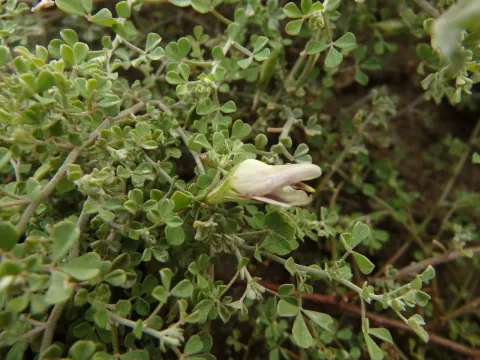
Lotus macranthus
Lotus macranthus
Lotus macranthus is a perennial legume recognized for its endurance and nutritional value in forage production. Sowing should be carried out in early spring to utilize residual soil moisture effectively.
What the section contains
Lotus macranthus
Seedbed preparation is crucial; the soil must be fine-tilled and compacted to ensure good seed-to-soil contact. Due to the small size of the seeds, they should be planted at a shallow depth of 1–2 cm.
Seed scarification is highly recommended before planting to improve germination rates, as the seeds often possess hard coats. This simple pre-treatment significantly enhances early crop establishment.
Integrating this species into grass mixtures is a common practice to create balanced pastures. It competes well with other grasses once it has established a strong root system, providing a stable source of protein.
Weed management during the initial growth phase is essential. Since the crop develops slowly at first, preventing competition from aggressive weeds is vital for the long-term success of the stand.
This crop is remarkably adaptive, capable of thriving in a wide range of soil conditions, including poor or slightly saline lands. Its ability to tolerate various environmental stresses makes it a reliable choice.
It exhibits excellent drought tolerance and cold hardiness. The deep-reaching root system allows the plant to access subsoil moisture, ensuring survival even during extended dry spells.
Soil pH is generally not a limiting factor for this species, although neutral to slightly acidic soils are preferred for optimal growth. Avoid waterlogged areas as poor drainage can inhibit development.
Nitrogen fertilization is rarely needed due to the plant's symbiotic relationship with nitrogen-fixing bacteria. Phosphorus and potassium applications are generally sufficient to support healthy root development.
The plant thrives in open, sunny environments but displays good tolerance for partial shade. This versatility makes it ideal for utilizing marginal lands or rolling terrain.
Lotus macranthus provides consistent forage yields over several years. Under optimal management, it can produce multiple cuts per season, offering a steady supply of high-quality feed.
The nutritional profile of the forage is impressive, characterized by a high protein content and digestibility. It is highly palatable to livestock, contributing to improved animal health and productivity.
By incorporating this legume into rotation cycles, farmers can naturally enhance soil fertility. The plant leaves behind a rich supply of fixed nitrogen, benefiting subsequent cereal crops.
Seed production depends on the presence of pollinating insects. In areas with high pollinator activity, seed yields are generally robust, making it a viable crop for seed multiplication.
The longevity of the stand reduces the need for frequent reseeding, providing significant economic benefits to agricultural operations. It maintains its productivity throughout a 5-to-7-year lifespan.
Fungal diseases, such as powdery mildew, can occasionally occur in high-humidity conditions. Ensuring proper stand density helps maintain airflow, which is the best preventative measure.
Pests like weevils can cause damage to leaves and seed pods if infestations are not monitored. Integrated pest management strategies are effective in controlling these populations.
Avoiding overgrazing is vital to prevent plant exhaustion. Proper pasture rotation allows the plants to recover their carbohydrate reserves, strengthening their resistance to pests.
Root rot may appear in poorly drained soils. Maintaining proper soil health through appropriate tillage and avoiding excessive irrigation are key components of crop protection.
Clearing surrounding vegetation helps reduce the movement of insects into the field. This simple cultural practice is a cornerstone of environmentally responsible farming.
Harvesting for forage is most effective at the onset of flowering. At this stage, the plant maximizes its nutrient density, providing the best value for livestock nutrition.
For hay production, rapid drying is key to preserving leaf quality and vitamin content. The crop is known for its ability to retain leaves during the hay-making process.
Seed harvesting requires attention to detail, as pods can shatter if left too long. Utilizing swathing methods before full maturity is the standard practice to minimize losses.
Storage of the harvested crop should occur in dry conditions to prevent spoilage. Proper bale storage is essential for maintaining the nutritive value of the fodder throughout winter.
Post-harvest management involves light fertilization and allowing the field to recover before the winter dormancy period. This ensures the crop returns strongly in the following spring.