
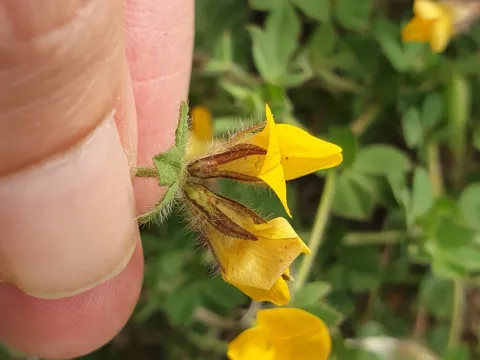
Edible lotus
Lotus edulis
Edible lotus (Lotus edulis) is an annual herb belonging to the Fabaceae family. This species is native to the Mediterranean region and has been cultivated for its edible pods and forage value.
What the section contains
Edible lotus
The sowing process typically occurs in early spring once the soil temperature is consistently above 10 degrees Celsius. Planting timing is crucial to ensure optimal seedling establishment.
Seeds should be sown at a depth of 1.5 to 2 centimeters in well-drained, fertile soil. Adequate spacing is necessary to allow for proper root development and air circulation between the plants.
A sowing density that allows for 20-30 centimeters between rows is recommended for field cultivation. This spacing helps in managing weed growth during the early stages of plant development.
In warmer regions, autumn sowing can also be practiced to leverage the mild winter climate, which leads to earlier flowering and pod formation in the following spring.
Edible lotus thrives in sunny locations and prefers well-drained, calcareous or sandy loam soils. It shows remarkable adaptation to dry environments and can withstand moderate drought.
The crop requires full sun exposure for healthy growth and prolific fruit production. Insufficient sunlight often results in weak stems and reduced yields of the green pods.
Ideal temperatures range between 18 and 25 degrees Celsius. While it is a hardy plant, it remains sensitive to hard frost, which can damage the vegetative tissue and stop further growth.
Minimal irrigation is usually sufficient, as the plant possesses a resilient root system. However, providing adequate moisture during the flowering period significantly enhances the total pod harvest.
Application of fertilizers rich in phosphorus can improve yield quality and support the nitrogen-fixing bacteria associated with the roots, contributing to soil fertility improvement.
The primary use of the edible lotus is its young, green pods which are harvested for culinary purposes. They serve as a nutritious food source with a flavor profile similar to green peas.
In agricultural practice, the crop is also highly valued as a forage plant. Its high protein content makes it an excellent supplement in livestock diets, particularly for sheep and cattle.
Productivity is highly dependent on climate and soil quality. Under favorable conditions, the biomass production provides multiple harvests within a single growing season.
Seed harvesting is another major component of its cultivation. The seeds are harvested once the pods have matured and changed color, ensuring the viability of the next generation.
Beyond food and forage, the plant acts as a beneficial cover crop or green manure, helping to stabilize nitrogen levels in the soil and preventing erosion in fallow fields.
The crop is susceptible to common fungal diseases such as powdery mildew, especially during periods of high humidity or poor ventilation in the field.
Pests like aphids can cause significant damage to the young, tender leaves and flower buds. These insects can be monitored using standard agricultural scouting techniques.
Root rot represents a threat if the soil remains waterlogged or if the same crop is grown repeatedly in the same location without proper rotation cycles.
Effective management includes implementing a well-planned crop rotation strategy and ensuring that seeds are treated before planting to prevent seed-borne illnesses.
Integrated pest management (IPM) practices, including the use of beneficial insects, can help control pest populations without relying excessively on chemical pesticides.
For culinary use, the pods are harvested at the milk stage, ensuring they remain tender and succulent. Harvesting is best performed during the cool hours of the day to maintain quality.
For forage purposes, the crop is mowed during the full flowering stage. This timing captures the highest nutritional density before the plant diverts energy into seed maturation.
Seed harvesting occurs when the pods turn brown and dry. The timing is critical; if delayed, the pods may naturally shatter, leading to seed loss on the field surface.
Once harvested, the plant material must be dried properly to prevent the development of mold, especially if the seeds are to be stored for extended periods.
Post-harvest cleaning is essential to remove chaff and debris, followed by storage in cool, dry conditions to maintain seed longevity and germination rates for future seasons.