
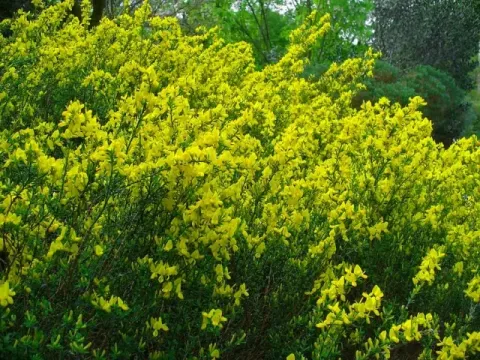
Elongated broom
Cytisus elongatus
Cytisus elongatus, commonly known as the elongated broom, is a shrub belonging to the Fabaceae family. It is native to various regions in Europe and is well-adapted to surviving in harsh, dry environments with poor soil conditions.
What the section contains
Elongated broom
The crop thrives in well-draining, sandy, or rocky soils. It is highly sensitive to waterlogging, as excessive moisture often leads to root rot, which is the most common cause of failure in poorly prepared cultivation sites.
As a heliophilic species, the elongated broom requires full sun exposure to maintain its structural integrity. Insufficient light levels usually result in leggy growth and a substantial reduction in the number of flowers produced during the season.
Agronomic maintenance includes periodic pruning, which is essential to encourage bushier growth and prevent the shrub from becoming woody and sparse over time. Pruning should be performed immediately after the flowering period concludes.
The plant is highly valued for its ecological role in slope stabilization and erosion control, as its root system effectively binds light, unstable soils on steep terrains.
The most significant pathological threat to this crop is powdery mildew, which tends to occur in conditions where air circulation is poor or humidity levels remain constantly high.
Common pests affecting the broom include aphids, which feed on the sap of young shoots, and leaf-mining insects that can compromise the photosynthetic capacity of the shrub.
Strategic pest management involves regular monitoring of the foliage and implementing chemical or biological controls only when threshold population densities are reached.
Sanitation practices, such as removing infected branches and fallen leaves from around the base of the plant, are crucial for minimizing the inoculum of fungal pathogens.
Proper spacing between plants during the initial planting phase helps ensure adequate airflow, which is a primary preventive measure against the spread of most fungal diseases.