
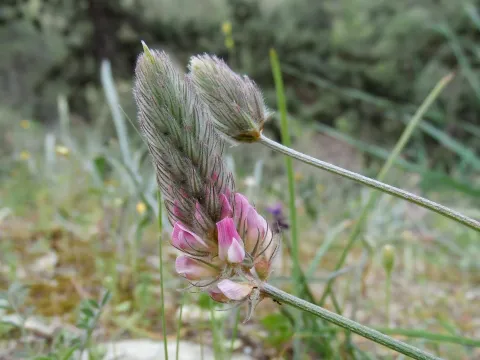
Ebenoid sainfoin
Onobrychis ebenoides
Ebenoid sainfoin (Onobrychis ebenoides) is a resilient perennial legume that adapts well to various soil conditions, making it an excellent choice for sustainable forage production.
What the section contains
Ebenoid sainfoin
The optimal sowing time occurs in early spring, once soil temperatures consistently reach 6–8 degrees Celsius, ensuring rapid and uniform germination.
A seeding rate of 80 to 120 kg per hectare is recommended, depending on the desired plant density and the specific characteristics of the regional soil profile.
Seeds should be planted at a depth of 2 to 4 centimeters, followed by mechanical rolling to ensure optimal soil contact and moisture retention for the developing embryos.
Row cropping is the preferred method for commercial cultivation, as it provides sufficient space for root development and simplifies the management of weeds during the early establishment phase.
Ebenoid sainfoin thrives in well-drained, carbonate-rich soils and displays a remarkable tolerance to drought, which is a critical trait for arid agricultural regions.
The plant performs poorly in compacted or waterlogged soils, as excessive moisture leads to root rot and severely hinders the symbiotic nitrogen fixation process.
It requires high exposure to sunlight and should not be intercropped with taller or faster-growing species that would cast significant shade over the developing sainfoin.
This species is well-adapted to cooler climates and demonstrates high winter hardiness, allowing it to survive periods of freezing temperatures without significant population losses.
Providing balanced mineral nutrition, particularly phosphorus and potassium, will significantly enhance the plant's growth vigor and its long-term persistence in the field.
The yield of Ebenoid sainfoin is highly stable, making it a reliable source of green fodder and high-quality hay for various livestock operations.
Under favorable management practices, farmers can expect a biomass yield of 4 to 6 tonnes of dry matter per hectare annually, depending on irrigation and soil fertility.
The second and third years of growth generally represent the period of maximum productivity, as the root system matures and gains deep access to underground moisture.
Seed yield is consistent, enabling producers to sustain their own supply of planting material, thereby reducing input costs in subsequent planting seasons.
Proper harvesting cycles that respect the plant's regrowth capabilities are essential to maintaining high cumulative yields over the lifespan of the crop.
Powdery mildew represents the most common pathological threat to sainfoin, particularly when humidity levels remain elevated during the flowering stage.
Weevils, including various species that target roots and foliage, can cause significant damage if populations are left uncontrolled, especially in young stands.
Root diseases related to fungal pathogens are usually symptoms of poor field drainage and should be managed primarily through site selection and improved soil aeration.
An integrated pest management strategy, prioritizing biological controls and crop rotation, is essential to minimizing the need for chemical intervention.
Care must be taken during any required pesticide application to avoid harming beneficial pollinators, as the plant's high nectar production makes it highly attractive to bees.
Harvesting for forage should be conducted during the early flowering stages, which captures the optimal balance between biomass volume and nutritional protein content.
Leaving a stubble height of at least 8 to 10 centimeters is crucial for protecting the plant's crown and encouraging rapid regrowth for subsequent cuttings.
Seed harvesting should be timed to coincide with the stage where the majority of seed pods turn brown, ensuring maximum seed quality while minimizing pre-harvest shedding.
Prompt processing and drying are required after harvest to preserve the quality of the green material and prevent spoilage in storage due to residual moisture.
After the final cut, field maintenance should include light harrowing to manage crop residues and promote soil aeration for the next season.