
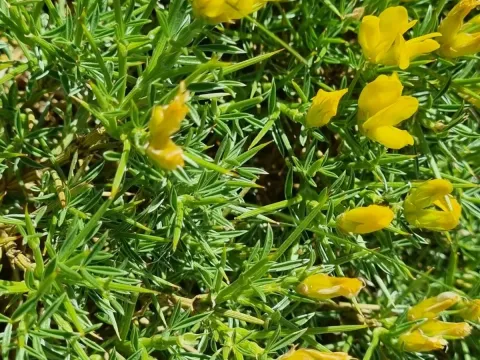
Echinospartum
Echinospartum
Echinospartum is a genus of perennial, often spiny shrubs belonging to the legume family, Fabaceae. These plants are known for their dense, cushion-like growth habit, which is a structural adaptation to the harsh, windy environments of their native range in Southwestern Europe.
What the section contains


Echinospartum
The origin of this crop is primarily linked to the Iberian Peninsula. Its natural habitat includes rocky slopes and mountain regions where it survives on well-drained, nutrient-poor soil. This resilience makes it an excellent choice for xeriscaping and sustainable land management.
Successful cultivation of Echinospartum requires full sun exposure. The plant thrives in Mediterranean-type climates, characterized by hot, dry summers and mild winters. It is highly sensitive to frost, which limits its commercial cultivation to specific geographic zones.
Soil requirements are strict regarding drainage. The plant will not tolerate waterlogging, which rapidly leads to the decay of its root system. Ideally, it should be planted in gravelly or sandy soils that provide excellent aeration and facilitate rapid water drainage after rainfall.
Agrotechnical practices are straightforward, focusing on the absence of excessive fertilization. As a member of the Fabaceae family, Echinospartum forms a symbiotic relationship with nitrogen-fixing bacteria, allowing it to thrive in soils where other nitrogen-demanding crops would fail.
Root rot is the primary threat to the health of Echinospartum. This condition is almost exclusively associated with improper irrigation practices or soil that lacks adequate drainage, leading to stagnant moisture around the root crown of the plant.
Regarding pest issues, the plant is relatively resistant due to its tough, sclerophyllous leaves. However, minor infestations of aphids or spider mites may occur during periods of prolonged drought, requiring manual inspection and potential use of targeted eco-friendly treatments.