
Lotus conimbricensis
Lotus conimbricensis
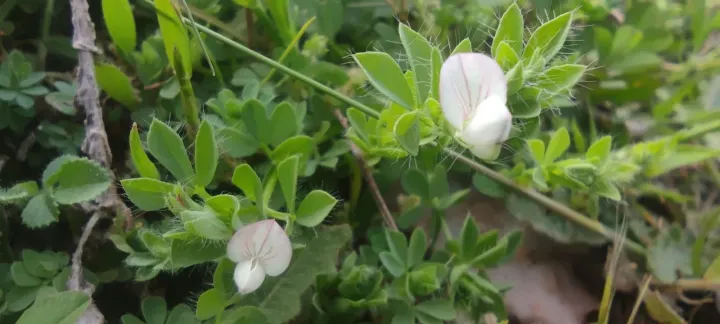
Description
Sowing dates
Sowing of Lotus conimbricensis is best performed in early spring when the soil temperature consistently reaches at least 8–10 degrees Celsius.
The seeds should be sown at a shallow depth of 1–2 centimeters, ensuring they are covered with enough soil to maintain moisture without hindering germination.
The seeding rate typically ranges from 8 to 12 kilograms per hectare, depending on the chosen sowing method and the soil fertility level.
Compacting the soil after sowing is a highly recommended practice to improve seed-to-soil contact and promote uniform seedling emergence.
Initial growth is relatively slow, making it essential to manage weed pressure strictly during the first month following the germination phase.
Growing requirements
Lotus conimbricensis is a member of the Fabaceae family, demonstrating remarkable adaptability to various soil textures, including marginal or salty lands.
This crop is known for its excellent drought tolerance, which is supported by a deep and efficient root system reaching into lower soil layers.
It performs best in loamy or sandy-loam soils that have a neutral to slightly alkaline pH, ensuring optimal nutrient availability for the plant.
As a light-loving species, it requires sufficient sunlight and should not be overshadowed by dense cover crops during its developmental stages.
The plant thrives in moderate temperature ranges between 18 and 25 degrees Celsius and shows good resistance to typical spring weather fluctuations.
Yield
The green mass yield of Lotus conimbricensis can reach 15–25 tons per hectare, making it a viable component for productive forage systems.
When harvested for hay, the plant provides a consistent yield of 5–8 tons per hectare of high-quality biomass rich in essential plant proteins.
Seed production requires careful monitoring, as the pods may be prone to shattering if left too long in the field under hot and dry conditions.
Integrating this plant into long-term pasture mixtures ensures stable productivity for several years of consecutive agricultural utilization.
The maximum biomass production is typically observed during the second and third years of life as the root system reaches its full potential.
Main diseases and pests
Leaf spot diseases and powdery mildew are the most common pathological issues, especially under conditions of high humidity and poor air circulation.
Root rots can become a significant threat if the crop is planted in poorly drained, waterlogged soils or during excessively rainy spring seasons.
Insects like weevils can cause damage to seedlings, whereas aphids may infest the flowering parts and reduce the overall seed production quality.
Integrated pest management strategies should focus on crop rotation and the selection of disease-resistant seeds to minimize crop damage.
Regular field scouting is essential to identify early signs of infestation or infection and to apply targeted control measures when necessary.
Harvesting
The optimal harvest window for hay is during the full flowering stage when the nutritional value and protein content are at their annual peak.
When cutting for forage, a stubble height of at least 5–7 centimeters must be maintained to encourage rapid regrowth of the next fodder generation.
Mowing is ideally carried out during the morning hours after the dew has evaporated, which helps to accelerate the drying process for better hay quality.
For seed harvesting, combine methods are used when the pods have matured sufficiently but before they start cracking due to over-ripening.
Post-harvest handling involves cleaning and drying the seeds to a moisture content of 12–14 percent to prevent fungal growth during storage.