
Inflated liquorice
Glycyrrhiza inflata
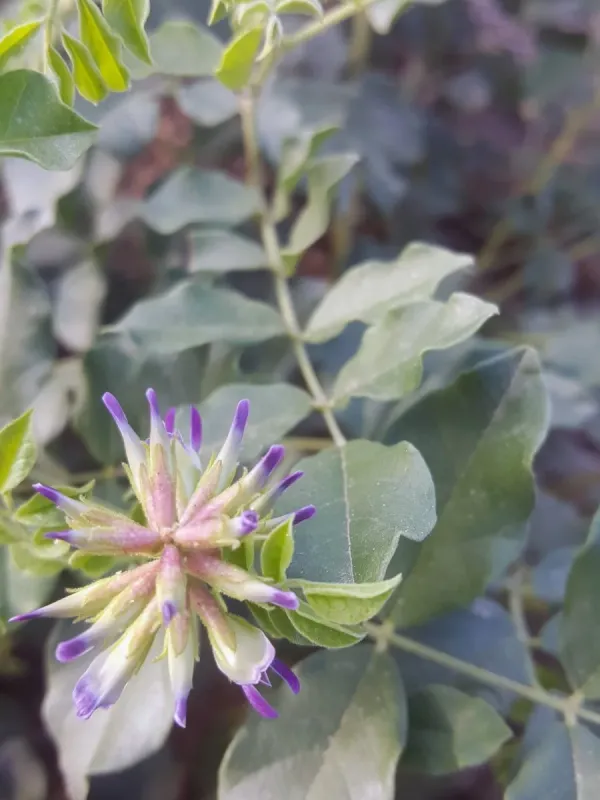
Description
Sowing dates
Sowing of Glycyrrhiza inflata is primarily carried out in the spring when soil temperatures reach 10–12 degrees Celsius. Ensuring proper seed stratification is essential, as the hard seed coat hinders natural germination.
Seeds are sown in rows with a spacing of 45 to 60 centimeters, which facilitates maintenance and weed control. The planting depth is usually 2–3 centimeters, depending on soil structure and moisture levels.
During the first year, the crop grows slowly, focusing on root system and shoot development. The primary goal for the agronomist is to maintain clean fields and combat weeds that could suppress the seedlings.
Vegetative propagation using root cuttings is also possible. This method allows for more uniform and productive stands, reducing the time required for the plant to reach commercial maturity.
Optimal plant density is crucial for ensuring sufficient nutrition and light, which promotes the accumulation of glycyrrhizin in the rhizomes. Overcrowding the plants can lead to a reduction in raw material quality.
Growing requirements
Inflated liquorice belongs to the Fabaceae family and is a valuable perennial plant. It prefers well-lit areas with light, deep sandy loam or loamy soils rich in humus.
The crop demonstrates high drought and salinity tolerance, making it a promising candidate for reclaiming saline lands in arid regions. It is capable of withstanding significant temperature fluctuations and continental climates.
The root system can penetrate to significant depths, so the groundwater table should be moderate. Excessive soil moisture often leads to root rot and loss of the entire crop.
The optimal pH level for successful liquorice cultivation ranges from neutral to slightly alkaline. Increased soil acidity negatively impacts the development of nitrogen-fixing bacteria living on the roots.
Throughout its growth, the plant actively enriches the soil with nitrogen due to its symbiosis with nodule bacteria. This helps reduce the need for mineral fertilizers in subsequent crop rotations.
Yield
Industrial harvesting of Glycyrrhiza inflata roots is typically performed three to four years after planting. By this time, the underground biomass accumulates the maximum concentration of biologically active substances.
Yields of dry roots largely depend on the intensity of care and soil fertility. On average, with proper agronomic practices, it is possible to obtain between 2 and 5 tons of commercial root per hectare.
The accumulation of glycyrrhizic acid, the main component of the raw material, peaks during the autumn senescence of the aerial parts. This is the recommended period for the main harvest.
After excavation, the roots are cleaned of soil, washed, and subjected to initial drying. Proper drying prevents the oxidation of active components and ensures the long-term storage of the material.
Liquorice is widely used in pharmacology as an expectorant and in the food industry as a natural sweetener. High global demand makes this crop economically attractive.
Main diseases and pests
Glycyrrhiza inflata is relatively resistant to diseases; however, in high-humidity conditions, it can be susceptible to powdery mildew. Prevention involves maintaining proper irrigation and ensuring ventilation.
Among pests, nodule weevils pose the greatest danger, damaging young leaves and growing points. Management is conducted using insecticides during the early stages of the growing season.
Root rot is a serious threat when water stagnates in the fields. The development of pathogenic fungi in the root zone can lead to the death of the entire plantation, making quality drainage critical.
To prevent the spread of pests, crop rotation is recommended, with the crop returning to the same site no sooner than every 5–7 years. This breaks the life cycles of specific parasites.
Protecting seeds from insects during maturation requires timely protective treatments during the flowering phase. Careful monitoring of plant health allows for the minimization of potential crop losses.