
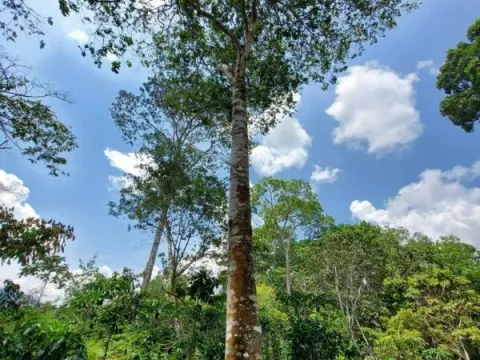
Inga alba
Inga alba
Inga alba is a significant tree species within the Fabaceae family, native to the tropical forests of Central and South America. It is widely recognized for its ecological importance and its vital role in traditional and modern agroforestry systems.
What the section contains
Inga alba
The species thrives in humid tropical conditions, requiring consistent warmth and high annual rainfall. It is not cold-hardy and requires a stable environment to maintain its rapid growth rate and metabolic efficiency.
Soil requirements for Inga alba are flexible, as it is naturally adapted to a wide range of tropical soils. However, it exhibits a preference for well-drained substrates where its nitrogen-fixing root nodules can function optimally.
One of the primary benefits of this plant is its rapid biomass production. This makes it an excellent candidate for green manure, as the decomposing leaves add significant organic matter and nutrients back to the soil profile.
In agricultural settings, it is frequently utilized as a shade-providing tree for coffee and cocoa plantations. By creating a favorable canopy, it moderates the microclimate, protects the soil from erosion, and helps maintain moisture levels.
Fungal pathogens represent the most significant threat to Inga alba, especially in dense planting schemes where air circulation is restricted. Managing plant density is essential to prevent the spread of these diseases.
Pests, particularly lepidopteran larvae, can cause defoliation during certain seasons. While mature trees are generally resilient, young saplings may require protection during outbreaks to ensure their survival.
Root rot, often caused by waterlogging, is a common issue in poorly managed sites. Ensuring adequate soil drainage before planting is the most effective preventative measure against this threat.
The control of pests and diseases should focus on integrated pest management (IPM) practices. Encouraging natural predators, such as birds and predatory insects, is a sustainable way to keep pest populations in check.
Regular monitoring of the tree canopy and root zone allows for the early detection of stress factors. If disease symptoms are found, pruning affected parts and improving air flow is generally the recommended course of action.