
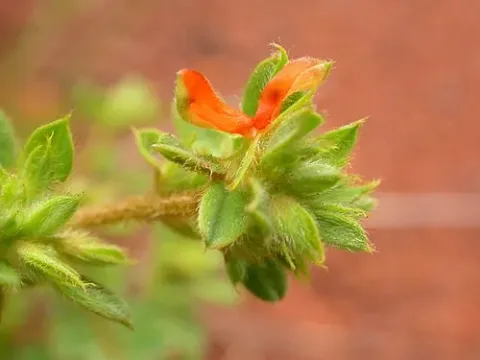
Indigofera bracteolata
Indigofera bracteolata
Seeds of Indigofera bracteolata possess a hard coat, so scarification is recommended before planting to improve germination rates. The optimal sowing time occurs at the beginning of the rainy season when the soil is warm and sufficiently moist.
What the section contains
Indigofera bracteolata
The planting depth is typically set between 1 and 2 centimeters, depending on the soil texture. It is crucial to ensure good seed-to-soil contact to prevent the embryo from drying out during the early stages of establishment.
To create productive stands, the seeding rate should be calculated based on specific site conditions and the intended use. In agricultural practice, intercropping or overseeding in orchards is often performed to enhance soil structure.
Seed germination is generally uniform when night temperatures stay consistently above 18 degrees Celsius. Once established, the crop requires minimal intervention, as it demonstrates high seedling vigor and rapid early development.
When grown as a green manure or cover crop, sowing is typically timed to precede the primary crop or to improve nitrogen levels in fallow soil.
Indigofera bracteolata belongs to the Fabaceae family and is a perennial herbaceous plant. It adapts well to various soil types, including poor sandy substrates, making it an excellent candidate for the reclamation of degraded lands.
The crop is light-demanding and performs poorly in dense shade, so open fields with ample sunlight are preferred. It shows high tolerance to short drought periods due to its well-developed taproot system.
Optimal growth occurs at temperatures ranging between 20 and 30 degrees Celsius. Heavy frost can damage the above-ground parts, restricting the cultivation area to tropical and subtropical climatic zones.
Soils should provide good aeration and drainage, as waterlogging can cause root decay. The plant is capable of fixing atmospheric nitrogen through symbiosis with root nodules, significantly reducing the need for synthetic nitrogen fertilizers.
Maintaining a neutral to slightly acidic pH level is recommended for optimal productivity. In highly acidic soils, liming should be performed prior to seed application.
The green biomass yield of Indigofera bracteolata depends on local climatic conditions and the frequency of harvesting during the growing season. Under intensive management, multiple biomass cuts can be achieved annually.
The primary agricultural use is as a green fodder, which is prized for its high protein content. This makes the plant a viable option for integration into pasture-based livestock systems in arid regions.
Biomass production figures typically range from 5 to 15 tons per hectare, depending on moisture availability. The crop is highly valued for its ability to regenerate quickly after grazing or mechanical mowing.
In seed production fields, yield is directly linked to the activity of pollinators attracted to the plant's small inflorescences. Seed material quality is maintained by proper drying and storage in a cool, dry environment.
Additional agricultural value lies in the plant's role as a soil-improving agent, where its extensive root mass significantly increases soil organic matter content.
Indigofera bracteolata is considered a relatively hardy crop; however, high air humidity can lead to fungal infections such as powdery mildew or leaf spot diseases. Regular monitoring of the foliage is necessary to detect early symptoms.
Among pests, various leaf-eating insects and caterpillars pose the most significant threat, potentially reducing total green biomass. In regions with intensive agriculture, monitoring the population of lepidopteran larvae is essential.
Root-knot nematodes represent a specific threat to this family, particularly in sites with repeated cultivation. Crop rotation is highly recommended to prevent the buildup of soil-borne pathogens.
In the event of severe pest pressure or disease outbreaks, integrated pest management methods should be employed. Preference is given to biological control agents, as the biomass is often utilized for animal consumption.
Disease prevention strategies include the timely removal of weeds, which often serve as alternate hosts for pathogens. Promoting adequate airflow within the field also helps reduce the risk of fungal epidemics.