
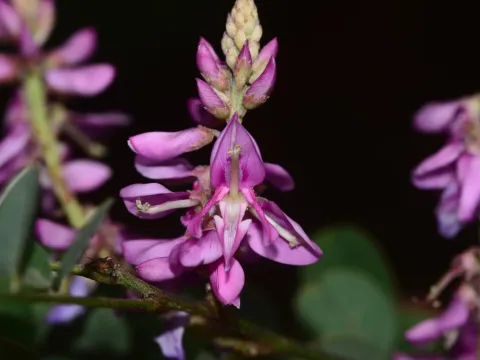
Indigofera cassioides
Indigofera cassioides
Indigofera cassioides is a perennial deciduous shrub belonging to the Fabaceae family. It is native to the mountainous regions of the Himalayas, thriving in environments that provide a mix of sunlight and temperate climatic conditions.
What the section contains
Indigofera cassioides
Botanically, this shrub is recognized for its pinnate, compound leaves and striking racemes of pink to purple flowers. The plant typically reaches a height of 1.5 to 2 meters, developing a spreading habit that makes it an excellent choice for ornamental landscaping.
The cultivation of Indigofera cassioides requires well-drained, sandy-loam soil with a neutral pH. Proper soil aeration is crucial, as the plant's roots are highly susceptible to decay when subjected to prolonged waterlogging in heavy or compacted soils.
Regarding climate, the plant prefers warm, sunny positions. While it possesses some degree of cold hardiness, it performs best in regions without severe, prolonged frost, which can damage the tender branches and reduce the quality of the subsequent flowering season.
Agricultural and landscape management involves minimal pruning to maintain shape and the removal of spent flower stalks. As a member of the pea family, it contributes to soil health by fixing atmospheric nitrogen, making it a sustainable choice for garden enrichment.
The primary threats to Indigofera cassioides include fungal leaf spots and root rots caused by excessive soil moisture and high humidity levels. Ensuring adequate airflow between plants is the most effective cultural method to prevent the spread of infections.
Pests such as aphids and spider mites can occasionally affect the foliage, particularly during dry spells. Regular inspection and the application of horticultural soaps or biological control agents are usually sufficient to manage these infestations successfully.