
Indigofera circinella
Indigofera circinella
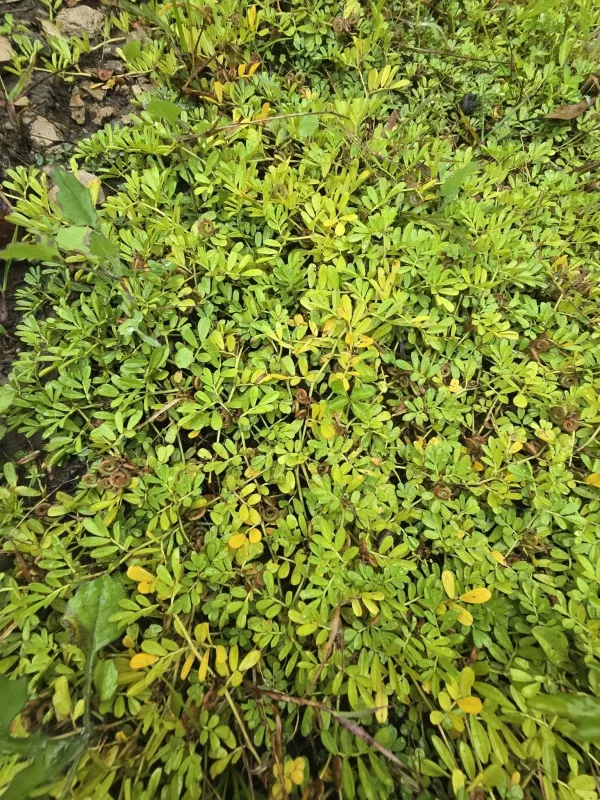
Description
Sowing dates
Indigofera circinella is a thermophilic crop that requires well-warmed soil to initiate vigorous germination. The optimal sowing time occurs in late spring when the risk of frost has completely passed.
Prior to planting, seeds should undergo scarification to overcome the natural dormancy caused by hard seed coats. This preparation is essential for uniform emergence and consistent stand density in the field.
Sowing depth is typically kept between 2 and 3 centimeters. Proper depth ensures that the seeds maintain contact with soil moisture while having sufficient energy to penetrate the soil surface.
Wide-row planting with spacing of 40–50 cm is recommended for biomass production. This configuration reduces intraspecific competition and allows for efficient weed management between the rows.
Inoculation with specific nitrogen-fixing bacteria is highly recommended during the sowing process. This practice jumpstarts the plant's ability to fix atmospheric nitrogen, leading to enhanced growth and soil health.
Growing requirements
This species performs best in well-drained, fertile soils with a pH ranging from neutral to slightly acidic. It is highly sensitive to waterlogged conditions, which can lead to rapid root rot.
Full sun exposure is a non-negotiable requirement for optimal development. Shaded environments inhibit photosynthesis, resulting in spindly stems and significantly reduced total dry matter yield.
Temperature plays a critical role in the metabolic activities of the plant; optimal growth occurs between +22°C and +30°C. Temperatures dropping below +15°C tend to slow the vegetative expansion significantly.
Indigofera circinella is known for its moderate drought tolerance thanks to a robust taproot system. However, providing adequate moisture during peak growth phases will maximize total harvestable yield.
The crop shows sensitivity to high salinity levels in the soil solution. Therefore, agricultural land should be tested for chloride and sodium content before introducing this crop into the rotation.
Yield
The biomass yield of Indigofera circinella depends heavily on local climatic conditions and water availability. In well-managed systems, it can produce multiple harvests within a single growing season.
As a legume, it is frequently used in intercropping or as a cover crop. Its ability to provide both high-protein forage and soil fertility benefits makes it an attractive option for sustainable farms.
Maximum nutritional value, specifically protein content, is achieved by harvesting during the pre-flowering or early budding stage. Early harvest ensures the biomass remains palatable and easily digestible.
Seed production requires careful timing. The plant is prolific, but producers must balance vegetative yield with seed retention, especially in high-wind or hot environments where pods may shatter.
The long-term impact on soil fertility is a major benefit. After harvest, the remaining root biomass adds significant organic matter, reducing the need for synthetic nitrogen fertilizers in subsequent crops.
Main diseases and pests
Pests such as weevils represent the primary threat to seed production, as they target the developing pods. Scouting and monitoring during the flowering stage are essential for early detection.
Fungal diseases like powdery mildew and anthracnose can thrive under high-humidity conditions. Promoting airflow through proper plant spacing is the most effective cultural control measure.
Root pathogens are a concern in poorly drained soils. Maintaining proper soil structure and avoiding irrigation mismanagement are the key preventative strategies for a healthy crop stand.
Aphid infestations can occasionally occur during dry spells, stressing the plants. Biological control, such as encouraging natural predators, is often sufficient to keep populations below economic thresholds.
An integrated approach to plant protection is recommended, combining crop rotation and sanitation to keep pest and disease pressure at manageable levels without heavy reliance on pesticides.
Harvesting
Harvesting for forage should be conducted before the stems become overly lignified. This ensures the crop maintains its high nutritional quality, making it ideal for hay or silage preparation.
During the drying process, it is important to avoid excessive sun exposure to prevent the shattering of leaves. Since leaves contain the highest protein concentration, their preservation is crucial.
Seed harvesting should be timed when the majority of pods are mature but before they naturally split open. Mechanical harvesters should be adjusted to minimize impact and reduce shattering losses.
Once harvested, seeds must be dried to a moisture content of approximately 12% for safe long-term storage. Proper storage prevents fungal growth and maintains high germination rates.
Post-harvest residues serve as an excellent green manure. Incorporating these materials into the soil replenishes nutrients and stimulates beneficial soil microbial activity for the next planting cycle.