
Hippocrepis constricta
Hippocrepis constricta
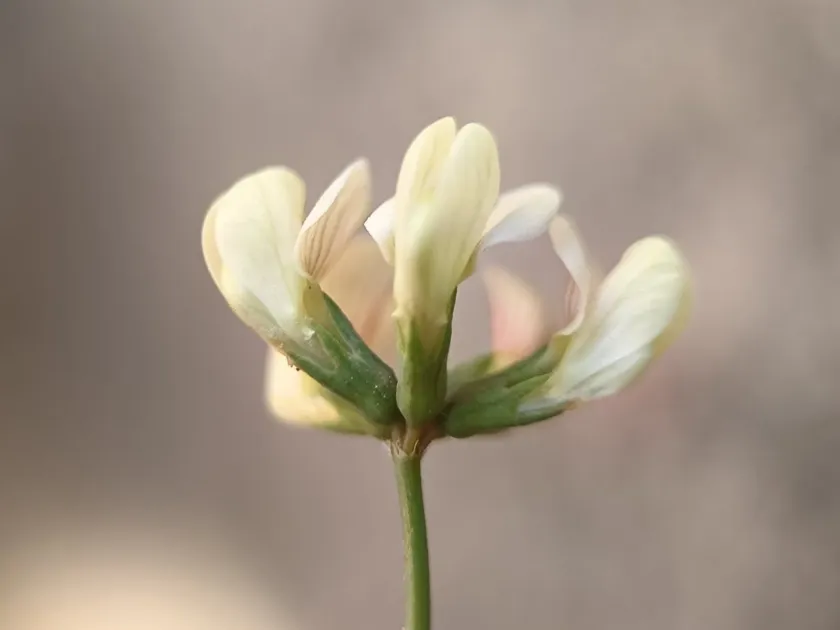
Description
Sowing dates
Hippocrepis constricta is a legume species that belongs to the Fabaceae family. As an ephemeral plant, its life cycle is tightly synchronized with the rainfall patterns of Mediterranean and semi-arid climates, which dictates the sowing strategy.
In a controlled agronomic setting, seeds should be sown during the transition to the wet season. Shallow sowing depth is critical to ensure proper germination, as the seeds are small and have limited reserves to push through deep soil layers.
The spacing of the plants should be managed to ensure adequate ventilation and light penetration. Overcrowding can lead to increased competition for water, which is a limiting factor in its natural habitat.
To achieve high germination rates, it is often necessary to ensure the soil is well-prepared, creating a firm yet aerated seedbed. Direct contact with moisture is essential for the activation of embryo development.
The crop establishes relatively quickly if weather conditions remain favorable. It is recommended to perform sowing operations when the risk of extreme heat has significantly decreased, allowing for root development.
Growing requirements
This species thrives in well-drained, porous soils, including limestone, sandy, and stony substrates. It possesses a specialized root system capable of exploring rocky surfaces and forming beneficial symbiotic relationships with soil microorganisms.
Exposure to full sunlight is vital for the growth and development of Hippocrepis constricta. Shaded conditions or competition with invasive weeds will result in poor biomass production and reduced flowering capacity.
The plant is highly drought-tolerant, having evolved to complete its life cycle before the onset of the severe summer drought. However, it requires a moderate temperature range to achieve optimal vegetative growth.
It prefers soils with a neutral to alkaline pH level. Soils that remain waterlogged for extended periods are unsuitable and will quickly lead to root rot, destroying the entire crop stand.
Nutrient requirements are relatively low, as the plant is adapted to nutrient-poor environments. Nevertheless, phosphorus application can be beneficial in some instances to promote healthy flowering and seed production.
Yield
Hippocrepis constricta is primarily valued for its role in pasture-based livestock feeding in its native range. Its foliage provides high-quality forage, particularly during the early spring months when it is succulent.
The total biomass yield varies significantly depending on the amount and distribution of precipitation. In productive years, the plant forms a dense carpet, contributing significantly to the overall forage availability of natural rangelands.
Apart from forage, the plant serves as a useful species for soil stabilization in erosion-prone areas. Its deep root architecture helps maintain soil structure and prevents the loss of topsoil in semi-arid environments.
As a legume, it contributes to soil fertility by fixing atmospheric nitrogen, potentially improving the growth conditions for subsequent crops in a rotation cycle, although its primary role remains ecological and pastoral.
Seed yield is a secondary goal of cultivation. Achieving a consistent harvest requires careful management of timing, as the pods are prone to shattering as soon as they reach full maturity.
Main diseases and pests
The main threats to the plant include fungal diseases such as root rot and stem wilting, which are usually triggered by poor drainage or excessive soil moisture. These conditions should be managed to maintain crop health.
Leaf-feeding insects and seed-eating weevils can pose a significant threat to the crop's development. Monitoring programs should be implemented during the peak vegetative and reproductive stages to manage these pests.
Competition from fast-growing weeds is particularly problematic during the early establishment phase. Effective weed management ensures that the crop receives the necessary resources for rapid development.
The accumulation of soil-borne pathogens can occur if the species is grown continuously on the same land. Implementing crop rotation with non-leguminous plants is a best practice to keep pathogen levels low.
Physical damage to the plants during routine maintenance can lead to the entry of opportunistic bacteria and fungi. Handling of the crop should be kept to a minimum using lightweight, precise machinery.
Harvesting
The harvest should be conducted when the pods transition to a mature color but before the dehiscence process (shattering) begins. This requires constant field monitoring to ensure the optimal harvest window is not missed.
Early morning harvesting is recommended to reduce pod shattering and loss. The harvested material should be transported to a drying facility immediately to preserve the quality of the seeds and prevent moisture buildup.
Post-harvest cleaning involves removing non-seed components that could attract pests or retain moisture. Drying the seed material thoroughly is crucial for long-term storage success.
Forage harvest should take place at the peak of vegetative growth, just before flowering, to ensure the highest protein content. Using traditional haying methods can help store the plant for later use.
Properly cleaned and dried seeds should be stored in a cool, dry, and ventilated environment. Regular checks during the storage period ensure the seed quality is maintained until the next planting season.