
Hippocrepis biflora
Hippocrepis biflora
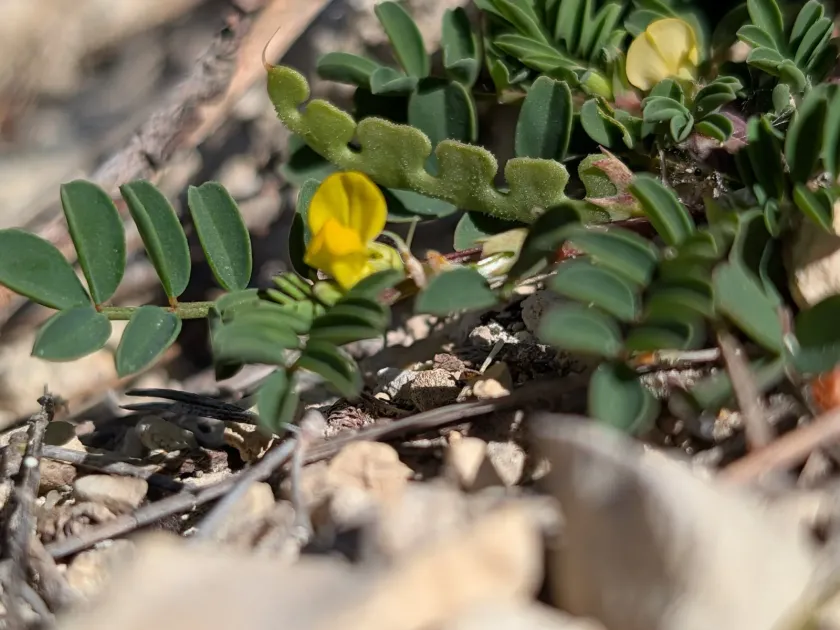
Description
Sowing dates
Hippocrepis biflora is a member of the Fabaceae family, recognized for its role as a forage component in pastoral landscapes. It is a herbaceous plant adapted to specific Mediterranean-like climatic conditions.
Sowing should be performed in early spring as soon as the soil temperatures reach 8-10 degrees Celsius. Timely planting is crucial to utilize the soil moisture reserves before the onset of dry weather.
The recommended seeding rate is 15-20 kg per hectare, depending on the desired density of the pasture or meadow. Accurate placement of seeds is essential for establishing a robust plant stand.
Seeds should be covered at a depth of 1-2 centimeters. Shallow sowing ensures that the seedling has enough energy to emerge through the soil surface rapidly and establish itself.
Post-sowing rolling of the field is highly recommended to improve soil-to-seed contact. This practice enhances moisture capillary movement, facilitating more uniform germination and establishment.
Growing requirements
This crop thrives in well-drained, calcareous, and neutral-to-alkaline soils. It is particularly sensitive to acidic soils and areas with high clay content that lead to waterlogging.
Hippocrepis biflora is highly photophilous and requires full sun exposure for optimal growth. It is not suitable for intercropping under dense, high-growing canopy plants as it fails to thrive in shade.
The plant is known for its excellent drought tolerance, allowing it to persist through dry summers. It is well-suited to regions with low rainfall and warm temperature profiles.
Nutrient management focuses on phosphorus and potassium levels during the establishment phase. As a legume, it typically requires little to no nitrogen fertilization due to its nitrogen-fixing capabilities.
Weed control is vital during the early stages of development. Keeping the field clean during the first weeks allows the crop to establish its root system and become competitive against weeds.
Yield
The biomass yield of Hippocrepis biflora is moderate, making it a reliable source of quality forage when integrated into pasture mixtures. It provides a balanced nutritional profile for grazing livestock.
High protein content in the foliage makes it a preferred component for hay production. Harvesting at the peak of the flowering stage ensures the best nutritional value for animal feed.
The crop possesses good regrowth potential after mowing. Depending on moisture availability, it can support multiple cuts per growing season, which significantly enhances total farm productivity.
The economic lifespan of the crop usually spans several years before a decline in vigor necessitates field rotation or reseeding. Proper grazing management can prolong the stand duration.
By optimizing the timing of harvests, producers can balance biomass volume with high-quality crude protein content. This strategy maximizes the overall feeding efficiency for ruminants.
Main diseases and pests
Powdery mildew represents a primary fungal threat, particularly in environments with high humidity or stagnant air. Maintaining proper spacing and air circulation in the field is key to prevention.
Root rots can become problematic in soils with poor drainage. Avoiding water accumulation in the fields is the most effective management strategy to prevent plant mortality caused by pathogenic fungi.
Insects like the pea leaf weevil can cause damage to the vegetative parts of the plant. Field scouting should be conducted regularly to identify infestations before they reach economic thresholds.
Aphids might affect flowering structures, potentially reducing seed yields. Integrated pest management, including natural predators, is preferred over broad-spectrum chemical interventions.
Strict adherence to crop rotation cycles is required to prevent the buildup of soil-borne diseases. Avoiding the planting of legumes on the same site for several years reduces pest pressure.
Harvesting
Hay harvesting should ideally occur during the bud-to-early-flowering stage. This timing captures the highest levels of nutrients before the plant diverts energy toward seed production.
Drying practices should focus on maintaining leaf attachment, as the leaves contain the highest concentration of minerals and proteins. Modern conditioning machinery is helpful for rapid moisture reduction.
For seed production, harvesting begins when the pods turn brown. Care must be taken to prevent shattering, as the pods can easily release seeds if left too long in the field.
Post-harvest processing involves thorough cleaning and drying to meet required seed standards. Stored properly in cool and dry environments, seeds can maintain viability for multiple seasons.
Safe storage of the harvested crop includes moisture control and protection from storage pests. Proper facility hygiene ensures that the quality is preserved until feeding or planting time.