
Horseshoe vetch
Hippocrepis scorpioides
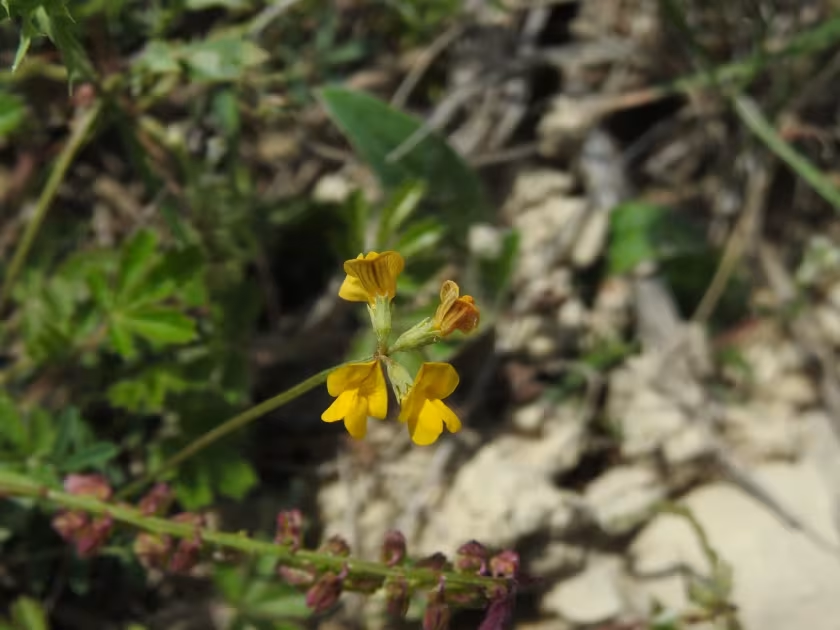
Description
Sowing dates
Horseshoe vetch is a resilient perennial legume that adapts well to various soil types if provided with adequate initial conditions.
The sowing process is typically carried out in early spring when the soil temperature consistently reaches 8–12 degrees Celsius.
Seeds should be planted at a shallow depth of approximately 2-3 cm to ensure optimal germination rates and minimize energy loss.
A seeding rate of 10–12 kg per hectare is standard, depending on the desired density and the overall fertility level of the field.
Rolling the soil after sowing is a recommended agricultural practice to create a firm seedbed and improve moisture retention.
Growing requirements
This crop thrives in well-drained, calcareous soils, preferring neutral to slightly alkaline pH levels for the best physiological performance.
It is remarkably drought-tolerant, utilizing an extensive root system to access water deep within the soil profile during dry spells.
Full sunlight is mandatory for healthy development; the plant significantly suffers from competition for light with taller vegetation.
Excessive soil moisture or waterlogging must be avoided at all costs, as the roots are highly susceptible to rot under anaerobic conditions.
Moderate applications of phosphorus and potassium-based fertilizers can significantly enhance root growth and winter survival rates.
Yield
The biomass yield of Horseshoe vetch is consistent, typically ranging from 15 to 22 quintals per hectare under good management.
It is highly valued for its nutritional profile, providing a rich source of protein for livestock when harvested at the right time.
The yield can be influenced by the presence of pollinators, as the plant depends on them for successful seed production.
Annual growth cycles may vary based on weather patterns, but the plant remains reliable due to its inherent hardiness in arid environments.
Management practices, such as proper timing of the first cut, are crucial to maximizing the quality and overall nutrient density of the hay.
Main diseases and pests
Fungal pathogens such as powdery mildew can affect the canopy during periods of high humidity and poor air circulation within the field.
Insect pests, including various species of weevils, can target young plants and significantly reduce the establishment success of the crop.
Implementing a proper crop rotation system is essential to break the cycle of soil-borne diseases and manage persistent pest populations.
Weed competition during the early establishment phase is the most common reason for crop failure; early intervention is advised.
Field monitoring during the spring months allows for early detection of pest damage and enables targeted, low-impact control measures.
Harvesting
Harvesting for fodder should ideally occur at the onset of flowering to achieve the best balance between biomass quantity and nutritional value.
When collecting seeds, it is important to harvest as soon as the pods change color to prevent losses due to natural dehiscence.
Cutting height management is critical; leaving at least 5-7 cm of stubble helps protect the crown and ensures rapid regrowth.
Mechanical harvesting requires sharp blades to prevent tearing the stems, which can slow down recovery after the first cut.
Storing harvested hay requires adequate ventilation and low moisture levels to prevent the growth of molds and preserve quality.