
Hippocrepis glauca
Hippocrepis glauca
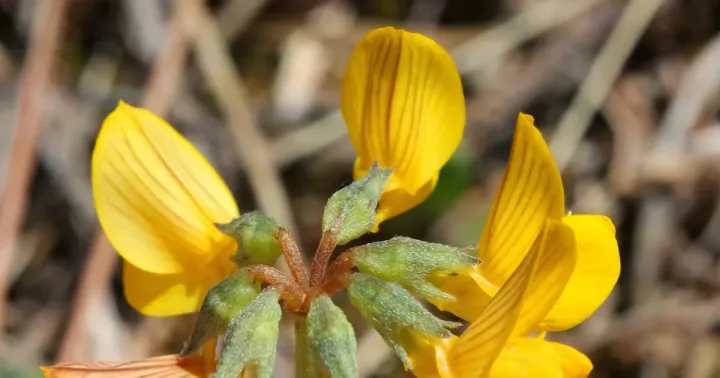
Description
Sowing dates
Hippocrepis glauca is a perennial legume well-suited for various forage systems. The sowing process typically begins in early spring when soil temperatures consistently reach at least 10 degrees Celsius.
Seed depth should be carefully controlled, ideally set at 2 to 3 centimeters to ensure optimal soil moisture levels for germination and stable seedling emergence.
Row spacing depends on the primary use, with denser sowing patterns preferred for forage production and wider spacing often used for seed multiplication blocks.
Inoculation of seeds with appropriate rhizobia strains is critical for establishing effective nitrogen fixation symbiosis, which significantly improves plant vigor.
Field preparation must include leveling to facilitate mechanical harvesting and to prevent water pooling, which can negatively impact the young stand establishment.
Growing requirements
This species thrives in well-drained, calcareous soils, reflecting its evolutionary adaptation to nutrient-rich but alkaline environments common in its natural range.
Sunlight exposure is a limiting factor for growth, so fields should be selected that are open and free from significant shade throughout the day.
While showing moderate drought resistance, the plant requires consistent moisture during its peak vegetative growth phase to maximize biomass production.
Soil structure should be favorable for deep root development, avoiding compacted layers that might restrict the plant's ability to access deep moisture sources.
Temperature tolerance is broad, but the plant performs best in Mediterranean-like climates with mild winters and warm, but not extreme, summers.
Yield
Biomass production is highly dependent on effective nitrogen fixation and balanced fertilization, particularly with phosphorous and potassium additions.
Optimal forage quality is achieved by timing harvests during the early flowering stage, which balances the yield quantity with the nutritional protein content.
Depending on local rainfall and irrigation, multiple cuts per season are possible, though producers should leave enough stubble to allow for rapid recovery.
Long-term stand productivity is maintained by managing grazing pressure or cutting frequency to avoid depleting the plant's root energy reserves.
Yields can be bolstered by implementing rotational management, allowing the plants sufficient rest time to replenish their vegetative tissues after each cutting.
Main diseases and pests
Fungal pathogens represent the most common threat, often exacerbated by high humidity levels and poor air circulation within the canopy of dense stands.
Insect pests, such as weevils or aphids, may cause localized damage, particularly during periods of stress when the plants are less capable of self-defense.
Integrated pest management strategies should emphasize preventative measures, including proper crop rotation and the selection of disease-resistant varieties.
Weed competition is most problematic during the establishment year; therefore, early mechanical weeding or appropriate herbicide application is recommended.
Environmental stresses, such as prolonged flooding or extreme salinity, can also act as precursors to secondary disease outbreaks in the plantation.
Harvesting
Harvesting for forage should utilize equipment adjusted to a proper cutting height to preserve the crown of the plant and facilitate regrowth.
Effective drying of cut biomass is crucial; using hay-making techniques like tedding helps reduce moisture content while minimizing the loss of nutritious leaves.
For seed production, harvesting should be performed when the pods turn brown and are dry enough to avoid excessive shattering during the threshing process.
Modern combine harvesters can be used for seed crops provided that settings are adjusted for the specific size and weight of the legume seeds.
Storage of the harvested product must occur in ventilated facilities to ensure the longevity of the nutritional quality and prevent mold formation.