
Horseshoe vetch
Hippocrepis unisiliquosa
Description
Sowing dates
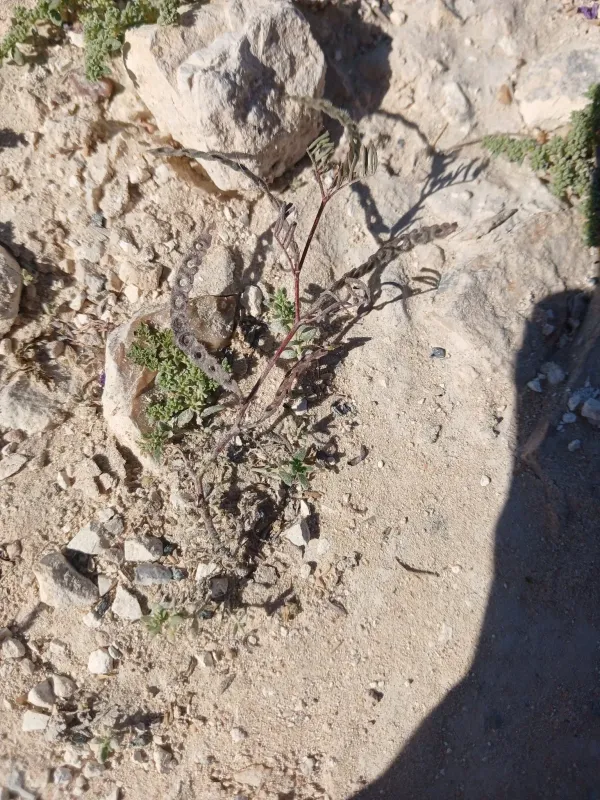
Horseshoe vetch (Hippocrepis unisiliquosa) is an annual herbaceous plant belonging to the legume family (Fabaceae). It is a drought-tolerant crop native to the Mediterranean region, often found in dry, stony, or calcareous grasslands.
Sowing is generally performed during the autumn or early spring, depending on the specific regional climate. Optimal soil temperatures for germination typically range between 12 and 15 degrees Celsius.
The species features a robust root system, enabling it to access moisture from deeper soil horizons during arid conditions, which makes it a resilient plant for marginal land restoration.
Planting densities are determined by the intended purpose, whether for forage production or permanent pasture cover. Standard row spacing of approximately 20-25 centimeters is typically recommended.
Biologically, the plant is adapted to the significant temperature fluctuations common in its natural habitat, although it is notably sensitive to excessive soil saturation or waterlogging.
Growing requirements
The plant performs best in light, well-drained sandy or loamy soils with a neutral to slightly alkaline pH. Heavy clay soils that tend to accumulate water are generally unsuitable for its development.
As a light-loving species, Horseshoe vetch requires full sun exposure for optimal growth. Significant shading significantly reduces vegetative biomass production and overall plant health.
Due to its ability to fix atmospheric nitrogen through symbiosis with root bacteria, the plant has low requirements for synthetic nitrogen fertilizers, making it an efficient crop for sustainable management.
Effective weed management is essential during the early stages of growth, as the plant can be outcompeted by more aggressive weed species until it becomes fully established.
The crop demonstrates excellent resistance to drought, allowing it to be cultivated successfully in water-limited areas without the need for irrigation systems.
Yield
The primary agricultural utility of Horseshoe vetch is as a high-protein forage crop for livestock. The nutritional profile of its biomass makes it a valuable feed source for small and large ruminants.
Biomass yield is heavily influenced by precipitation levels during the growing season. In favorable years, the crop produces a substantial volume of palatable forage for grazing animals.
During the flowering stage, the plant serves as a vital resource for pollinators, supporting biodiversity within the agricultural ecosystem and providing nectar for honeybee populations.
Beyond forage, it can be utilized as a cover crop or green manure to improve soil physical properties, as its roots help aerate the soil and its decomposition adds organic matter.
Seed production is moderate, and harvesting must be timed carefully to match the maturation cycle of its distinct horseshoe-shaped seed pods.
Main diseases and pests
Primary health risks include fungal pathogens such as root rot and powdery mildew, which can occur during periods of prolonged high humidity or poor soil drainage.
Common pests associated with legumes, such as aphids and various weevil species, can cause damage to foliage and reproductive organs, potentially reducing total seed yield.
To minimize phytosanitary risks, crop rotation is essential. It is recommended not to cultivate this legume in the same plot more frequently than every three to four years.
Integrated pest management strategies, focusing on biological controls and periodic monitoring, are the most effective approach for maintaining crop vigor.
Early detection through regular field scouting allows farmers to implement corrective measures before pest infestations or diseases reach critical economic thresholds.
Harvesting
Harvesting for forage should be conducted during the peak flowering stage to ensure the highest concentration of essential nutrients in the plant biomass.
For seed production, harvesting must be meticulously timed to coincide with the stage of full pod maturity, before natural dehiscence occurs and seeds begin to shed.
Post-harvest processing involves drying the seeds in well-ventilated areas to reach moisture levels appropriate for long-term storage and viability.
Storage facilities should remain dry, cool, and dark to prevent seed degradation and protect the harvest from storage pests or rodents.
Mechanized harvesting requires precise equipment calibration to handle the specific structure of the pods and minimize mechanical injury to the seeds during the threshing process.