
Hippocrepis areolata
Hippocrepis areolata
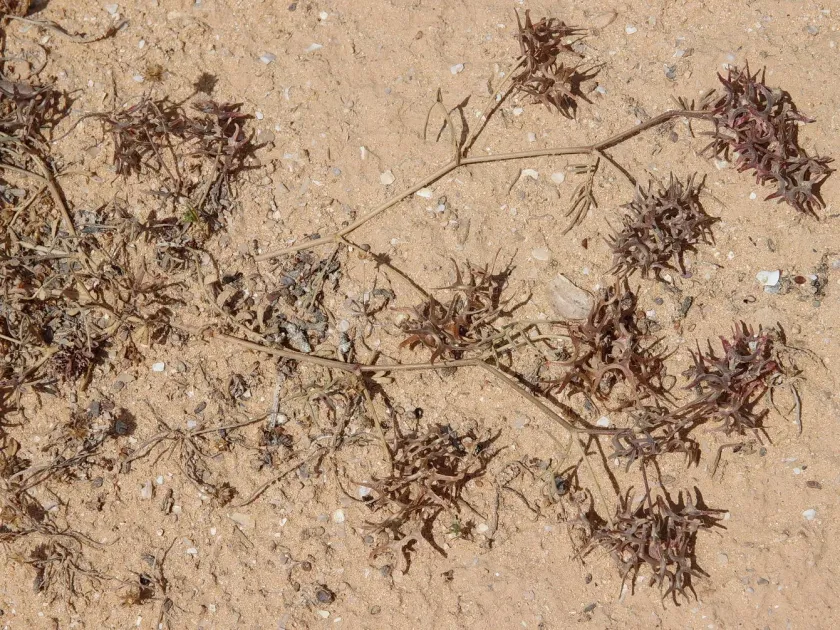
Description
Sowing dates
Hippocrepis areolata belongs to the Fabaceae family and is recognized for its potential as a specialized forage crop in certain climatic zones.
Sowing should ideally occur in the early spring, ensuring that the soil temperature has reached a level suitable for rapid and uniform germination.
Proper seedbed preparation is essential, as the crop requires a firm seed-to-soil contact to utilize available soil moisture efficiently.
Row spacing is typically adjusted based on the intended use, whether for green fodder production or for seed harvesting, to optimize plant density.
Post-sowing rolling of the field is highly recommended to improve moisture capillary action and support the initial stages of seedling establishment.
Growing requirements
This crop thrives in well-drained soils and exhibits a preference for sites with adequate sunlight exposure, which is critical for biomass accumulation.
It demonstrates a remarkable ability to adapt to varying soil types, though it performs best in soils with a balanced nutrient profile and good structure.
Management of soil pH is important, as the plant prefers neutral to slightly alkaline conditions to maximize its nitrogen-fixing capabilities.
Water requirements are moderate, with the plant showing significant resilience during periods of low precipitation once the root system is established.
In regions with harsh winters, providing adequate drainage is vital to prevent frost heaving and root damage caused by ice formation in the soil profile.
Main diseases and pests
Pathogen pressure, particularly from soil-borne fungi, can be elevated in conditions where drainage is suboptimal and moisture levels remain high.
Insect pests such as beetles and various larvae may feed on the foliage, necessitating regular scouting to prevent economic damage to the stand.
Cultural practices, including proper crop rotation and the use of resistant varieties, serve as the first line of defense against common outbreaks.
Nutrient deficiencies, especially in micronutrients, can sometimes mimic disease symptoms and should be addressed through precise soil analysis.
Maintaining a balanced ecosystem within and around the field can help promote natural predators that contribute to biological pest control efforts.