
Horseshoe vetch
Hippocrepis comosa
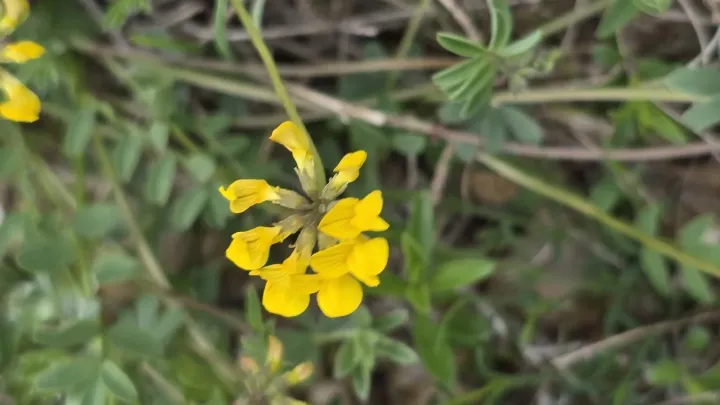
Description
Sowing dates
Sowing of Horseshoe vetch should be carried out in early spring when soil temperatures reach stable levels. Ideally, this occurs in mid-to-late April, ensuring that seeds can utilize the remaining winter moisture for optimal germination rates.
Seeds should be sown at a shallow depth of approximately 1 to 2 centimeters. Because the seeds are relatively small, it is essential to prepare a fine and firm seedbed to ensure good soil-to-seed contact, which promotes rapid and uniform establishment.
In the first year, Horseshoe vetch invests significantly in its root system, resulting in slow above-ground growth. During this period, field sanitation is vital; weeds must be controlled mechanically to prevent them from outcompeting the slow-growing legume seedlings.
The seeding rate typically ranges between 10 and 15 kilograms per hectare depending on the sowing method. Row drilling is often preferred to allow for easier weeding during the initial stages of plant development.
The plant possesses a robust ability to regenerate via self-seeding. In pasture management, allowing some plants to reach seed maturity each year ensures a dense and sustainable stand without the need for constant re-seeding.
Growing requirements
Belonging to the Fabaceae family, Horseshoe vetch is a perennial plant highly valued for its adaptability to challenging conditions. It thrives in soils that are low in nutrients and high in calcium, particularly on chalky or limestone-based terrain.
Soil drainage is a primary requirement for this species. It does not tolerate waterlogging, which often leads to root rot. Therefore, it is best suited for well-drained slopes or sites with loose, aerated soil structures that prevent moisture accumulation.
The species is strictly heliophilous, requiring full sun exposure to flourish. Shaded environments inhibit its growth and flowering, so it should not be grown in proximity to dense shrubbery or tall-growing competitive grasses.
It exhibits remarkable drought resistance due to its deep taproot system. This biological trait allows it to survive extended periods of low rainfall, making it an excellent candidate for improving the biodiversity of degraded, arid pasturelands.
Climate-wise, it prefers temperate regions with clear, sunny days. While hardy, it performs best in habitats where the microclimate facilitates early spring growth and prevents excessive humidity around the foliage.
Yield
Horseshoe vetch is primarily utilized as a high-quality forage legume in pastoral systems. Its nutritional profile, characterized by high protein content and essential minerals, makes it a superior supplement for livestock grazing.
While it may not produce the massive green matter yields of high-intensity crops like alfalfa, its longevity is its greatest economic asset. A well-established stand can persist for several years, providing reliable forage with minimal maintenance.
The plant is also highly regarded for its value as a honey-producing crop. Its long blooming period provides a consistent nectar source for pollinators, contributing to the overall stability and productivity of the surrounding agricultural ecosystem.
When harvested for hay, timing is critical to preserve nutritional quality. The peak harvest time is at the onset of flowering, which balances the biomass yield with the concentration of proteins and vitamins within the stems and leaves.
Fertilization should prioritize phosphorus and potassium to strengthen root development. Nitrogen application is generally unnecessary as this legume forms a symbiotic relationship with nitrogen-fixing bacteria, naturally enhancing soil fertility.
Main diseases and pests
Horseshoe vetch is generally resistant to many common agricultural pests; however, fungal diseases such as powdery mildew may occur in periods of high humidity or poor field aeration, necessitating careful site selection.
Weevils, specifically those targeting legumes, are the primary biological threat. These pests can impact seed yield by damaging reproductive parts, and in cases of heavy infestation, specific insecticide treatments may be required during the bud stage.
Root rot remains a concern in poorly drained soils. To mitigate this risk, farmers must ensure optimal land preparation before sowing and adhere to a rotation schedule that prevents the buildup of soil-borne pathogens common to legumes.
Aphid populations can occasionally spike during hot, dry spells. While they rarely cause economic collapse of the crop, monitoring is recommended to ensure that populations do not reach levels that significantly weaken the plant vigor.
Competition from aggressive, invasive weeds remains the greatest challenge during the establishment year. Implementing proper mechanical weed control during this time is the most effective way to ensure the long-term success of the vetch stand.