
Hippocrepis multisiliquosa
Hippocrepis multisiliquosa
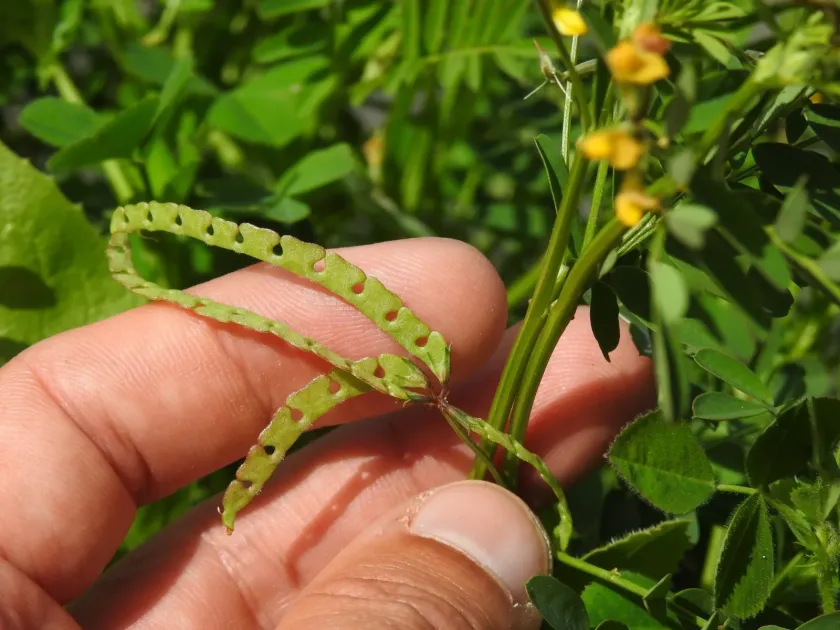
Description
Sowing dates
Sowing of Hippocrepis multisiliquosa, an annual legume, is ideally performed in early spring when the soil temperature reaches 8–10°C.
The optimal timing for planting corresponds with the germination period of other cool-season legumes native to Mediterranean ecosystems.
For high-quality seedling emergence, seeds should be sown at a depth of no more than 2–3 centimeters in well-prepared, loose soil beds.
Row planting is recommended to ensure optimal plant density, which is a critical factor for maximizing vegetative mass accumulation.
Post-sowing soil compaction is sometimes required to improve seed-to-soil contact and speed up the germination process in dry conditions.
Growing requirements
This crop belongs to the Fabaceae family and exhibits significant tolerance to the arid conditions characteristic of Mediterranean climates.
The plant thrives in well-drained, calcareous soils with a neutral to slightly alkaline pH, avoiding areas prone to waterlogging.
Hippocrepis multisiliquosa requires long daylight hours and high solar radiation levels to ensure vigorous flowering and pod development.
Although adapted to nutrient-poor soils in its natural range, the crop responds positively to moderate phosphorus and potassium fertilization.
The species possesses an excellent ability to fix atmospheric nitrogen through symbiosis with Rhizobium bacteria, benefiting overall soil fertility.
Yield
The primary agricultural use of Hippocrepis multisiliquosa is the production of green biomass for livestock feed purposes.
Under favorable climatic conditions, the yield of green forage is sufficient to incorporate this crop into mixed hay mixtures.
Biological productivity is highly dependent on spring rainfall, as the crop is particularly sensitive to moisture levels during early growth.
Vegetative biomass accumulation occurs rapidly, requiring precise management of harvest windows to balance protein content and fiber levels.
Seed yield is generally stable, provided that harvesting occurs promptly once the majority of pods turn brown and mature.
Main diseases and pests
Hippocrepis multisiliquosa may be susceptible to common legume pests, particularly root-attacking weevils that reduce plant vigor.
Under high-humidity conditions, the crop is prone to fungal pathogens, including powdery mildew and various types of anthracnose.
Aphids often target young shoots and flowers, potentially reducing overall growth rates and the quality of the harvested forage.
To prevent the buildup of soil-borne diseases, strict crop rotation practices should be followed, avoiding continuous cropping of legumes.
Chemical control must involve the use of approved fungicides and insecticides compliant with regulations for forage legume cultivation.
Harvesting
Harvesting for green biomass should take place at the early flowering stage to capture the highest concentration of crude protein.
When producing hay, mowing should be followed by wilting in swaths to ensure the preservation of nutritious leaf material.
Seed harvesting is carried out via direct combining, keeping in mind that the pods may shatter if left too long in the field.
Post-harvest processing involves thorough cleaning to remove debris and drying to a moisture content suitable for long-term storage.
Efficient harvest management is crucial to minimize yield losses caused by seed shattering during adverse weather events.