
Hippocrepis valentina
Hippocrepis valentina
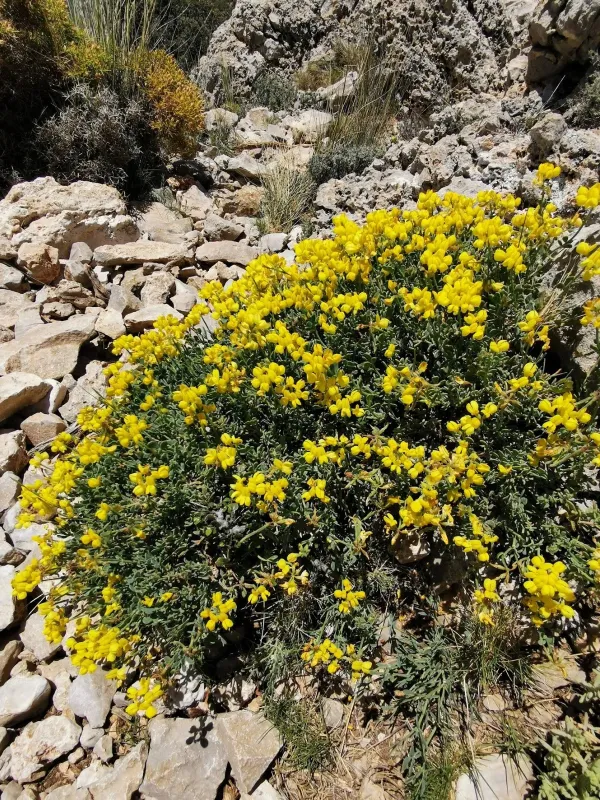
Description
Sowing dates
Hippocrepis valentina, a member of the Fabaceae family, is a perennial legume utilized in various agricultural contexts. The ideal sowing period is early spring, once the soil has warmed to 8–10 degrees Celsius, facilitating uniform germination.
Seeds are characterized by a hard seed coat, which necessitates mechanical or chemical scarification to ensure successful water absorption. Seeds should be sown in rows 15–20 cm apart at a depth of 2–3 cm to achieve optimal density.
In certain climates, autumn sowing is possible, provided the plants have sufficient time to establish before the onset of harsh winter temperatures. This timing can lead to faster spring growth and earlier biomass production.
The seedling stage is marked by relatively slow growth, making weed management essential during the first weeks. It is advisable to sow on clean fields and utilize mechanical weeding if the plant population allows.
The seeding rate varies depending on site conditions, generally averaging 12–15 kg per hectare. Proper plant spacing is vital for maximizing nitrogen fixation and ensuring the crop produces a healthy, robust root system.
Growing requirements
Native to Mediterranean landscapes, this crop is exceptionally drought-tolerant. It thrives in various soil types, particularly rocky, calcareous, and slightly alkaline substrates that are often unsuitable for other crops.
Good drainage is the most critical requirement for Hippocrepis valentina. It is highly sensitive to waterlogging, which can cause root rot and rapid decline in the health of the stand, emphasizing the need for well-drained fields.
Temperatures ranging from 20 to 28 degrees Celsius are optimal for active growth. Its deep taproot allows the plant to access moisture during dry spells, maintaining productivity even when other species begin to wilt.
As a legume, it has a low demand for nitrogenous fertilizers due to its ability to fix atmospheric nitrogen via symbiotic bacteria. This makes it a cost-effective choice for improving degraded or nutrient-poor soils.
The crop requires full sun exposure for maximum biomass accumulation. Shaded areas significantly reduce the plant's photosynthetic efficiency and can negatively impact the yield quality and long-term sustainability of the planting.
Yield
Hippocrepis valentina is primarily used for hay production and as a component of livestock pasture. It provides a high-quality, palatable forage that is rich in proteins, benefiting both sheep and cattle.
The yield of green mass depends heavily on the harvesting frequency and site moisture. In well-managed systems, farmers can expect two to three harvests per season, provided the crop is managed for vigorous regrowth.
For the highest nutrient density, hay should be harvested during the early flowering phase. This timing ensures the best balance between biomass weight and the concentration of essential proteins and vitamins in the forage.
Its resilience makes it an excellent choice for rotational grazing. However, stocking rates must be monitored to ensure the plants are not grazed down to the point of exhausting their crown energy reserves.
Beyond its value as animal feed, this species contributes to soil health by improving structure and increasing organic matter. It is a valuable tool for farmers focused on sustainable land management and soil restoration.
Main diseases and pests
Common pests include various weevils that target both the succulent stems and the foliage. Regular scouting of the field is necessary during the early stages of plant development to prevent severe damage to the crop.
Fungal pathogens such as powdery mildew may occur under conditions of high humidity or poor air circulation. Managing the density of the stand and ensuring optimal drainage are effective cultural practices to reduce infection risks.
Rust diseases can impact leaf health in wetter years, potentially reducing the nutritional quality of the hay. Targeted fungicide applications may be necessary if the infection threshold is reached and quality preservation is priority.
Nematode infestations can be problematic in heavy, damp soils. Implementing crop rotation with non-legume species helps break the cycle of these pests and prevents them from establishing significant populations in the field.
Preventative measures also include sourcing clean, certified seed to avoid introducing unwanted pathogens or weed seeds that might compete with the crop or host vectors for viral diseases.