
Hippocrepis balearica
Hippocrepis balearica
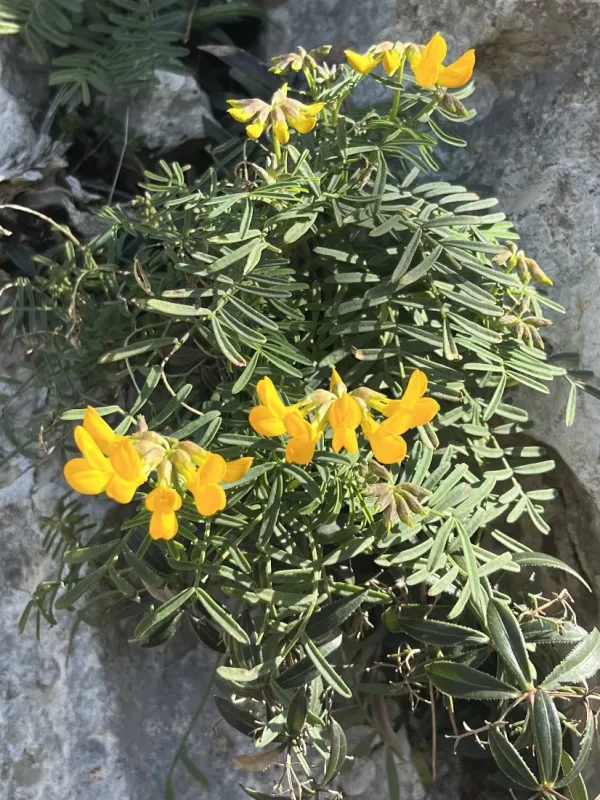
Description
Sowing dates
Hippocrepis balearica is a perennial shrub that is typically propagated through seeds or stem cuttings. Sowing is best performed in early spring under controlled temperatures, allowing the plant to establish its root system before the onset of extreme summer heat.
Seeds require a period of stratification to break dormancy and ensure uniform germination. It is advisable to sow them in well-drained, sandy soil, covering them lightly to ensure proper contact with the growing medium while maintaining sufficient oxygen levels for the emerging embryos.
As a member of the Fabaceae family, this species thrives when soil conditions support the development of nitrogen-fixing bacteria. Ensuring that the substrate is not overly compacted is crucial for early root development and overall plant vigor.
When using cuttings, semi-hardwood segments are selected during the late spring or early summer. These are placed in a porous rooting medium and kept under high humidity until new growth indicates successful establishment, which usually takes several weeks.
Proper spacing is essential during the transplanting phase to allow for the plant's characteristic shrubby growth. Adequate airflow between individual plants helps in managing moisture levels around the foliage, which is vital for the health of young seedlings.
Growing requirements
This species is highly adapted to sunny environments and requires full exposure to thrive. Its natural habitat, characterized by rocky Mediterranean terrain, dictates a need for high light intensity to support dense growth and abundant flowering.
The soil requirements for Hippocrepis balearica emphasize excellent drainage. The plant is sensitive to waterlogged conditions, which can quickly lead to root rot; therefore, alkaline or neutral, well-aerated substrates are strongly recommended for cultivation.
In terms of climate, the species is remarkably drought-tolerant once fully established. While it can withstand periods of limited water, it does not survive well in environments characterized by high humidity or extreme cold below freezing temperatures.
Regular maintenance includes pruning after the flowering season. This practice is essential to maintain the shrub's shape, remove deadwood, and stimulate the production of new flowering shoots for the following year.
Fertilization should be handled with care. As a legume, the plant can fix nitrogen from the air; therefore, excessive nitrogen fertilization is often counterproductive and may promote excessive vegetative growth at the expense of floral display.
Main diseases and pests
The primary threats to Hippocrepis balearica include fungal diseases such as root rot and leaf spot, which are frequently triggered by excessive humidity or poor soil drainage. Keeping the root zone well-drained is the most effective preventative strategy.
Pests such as spider mites and aphids can become problematic, particularly in arid, hot conditions where the plant's natural defenses may be slightly weakened. Monitoring foliage and early intervention with appropriate pesticides is recommended.
Over-watering remains the most common cultural error leading to plant loss. Pathogens like Phytophthora find ideal conditions in damp, poorly ventilated soil, making strictly controlled irrigation schedules essential for long-term survival.
Snails and slugs can cause significant damage to young shoots during the wetter months. Maintaining a clean cultivation area and removing debris around the base of the shrubs helps reduce the prevalence of these pests.
Overall, maintaining the plant's natural balance through proper light, ventilation, and avoiding over-fertilization results in a more resilient specimen that is less susceptible to common agricultural and horticultural stressors.