
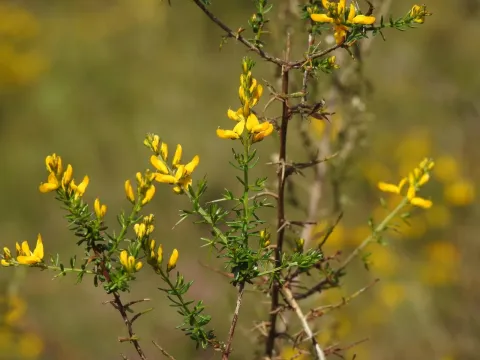
Genista triacanthos
Genista triacanthos
Genista triacanthos, known as the spiny broom, is a hardy perennial shrub belonging to the Fabaceae family. It is recognized by its dense, branching thorns which serve as a specialized adaptation to survive in arid, challenging environments.
What the section contains
Genista triacanthos
Originating from the Mediterranean basin, this plant is well-adapted to poor, rocky, or sandy soils. It thrives in locations where other crops struggle, making it an excellent candidate for stabilizing soil on steep slopes or degraded land.
As a xerophyte, the plant requires full sun exposure and exceptional drainage. It is highly intolerant of waterlogged soil, which typically leads to rapid root rot and systemic decline of the shrub.
The climate requirements for Genista triacanthos involve warm, temperate conditions. While it is moderately hardy, it does not survive harsh winter freezing and is best suited for regions with mild, frost-free seasonal transitions.
Agricultural use of the spiny broom includes soil enrichment through biological nitrogen fixation and its role as a high-quality forage shrub in specific pastoral systems. It is also valued as a significant nectar source for pollinators during the spring blooming season.
Root rot caused by pathogens such as Phytophthora is the primary threat to this species. It is almost exclusively linked to poor drainage and over-irrigation practices in garden or field settings.
Aphid infestations are a common pest issue, typically occurring on the soft, succulent growth during the peak of spring. These pests can cause stunt growth and transmit viral diseases if not managed.
Powdery mildew may affect the foliage if the plants are placed in areas with poor air circulation. Thinning out the branches and ensuring sufficient spacing between plants is critical to prevent moisture buildup.
Spider mites can become a nuisance during extremely dry and hot weather. These microscopic pests extract nutrients from the leaves, causing them to yellow and drop prematurely.
Regular monitoring and integrated pest management (IPM) strategies, including manual pruning and targeted biological controls, are essential for maintaining the vigor and health of Genista triacanthos plantings.