
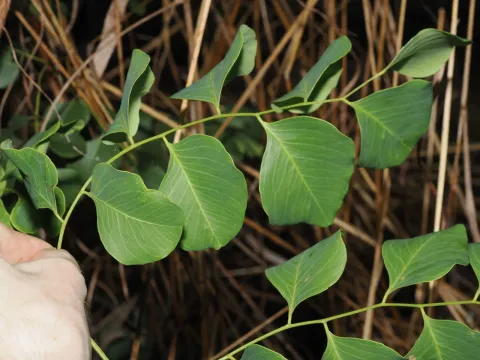
Erythrophleum
Erythrophleum
Erythrophleum is a genus of large, evergreen tropical trees belonging to the Fabaceae family. These trees are native to the tropical regions of Africa, Asia, and Australia, flourishing in dense, humid forest ecosystems.
What the section contains


Erythrophleum
The cultivation of this genus requires a tropical climate with consistently high temperatures, ideally ranging between 25 and 30 degrees Celsius throughout the year without significant seasonal drops.
Soil requirements are strict, necessitating deep, well-drained substrates that prevent waterlogging while maintaining nutrient richness for steady growth cycles.
Light intensity is a critical factor; as a heliophilic species, Erythrophleum requires ample direct sunlight to develop a robust canopy and maintain high rates of photosynthesis.
The timber obtained from these trees is prized for its extreme durability and resistance to decay, making it a valuable resource for heavy construction and high-end furniture manufacturing.
Fungal infections are the most significant threats to Erythrophleum, particularly those that target the root system in poorly drained soils, leading to rapid decline.
Wood-boring insects represent a major economic challenge, as larvae can tunnel through the trunk, significantly compromising the structural integrity and market value of the timber.
Leaf-eating pests frequently attack young saplings, which can stunt the growth and overall health of the plantation if not managed through integrated pest control strategies.
Secondary infections often manifest in the form of cankers on the bark, which occur when trees are stressed by adverse environmental conditions or physical damage.
Effective management includes maintaining optimal plant spacing to ensure air circulation, which helps reduce the humidity levels that favor fungal spore germination.