
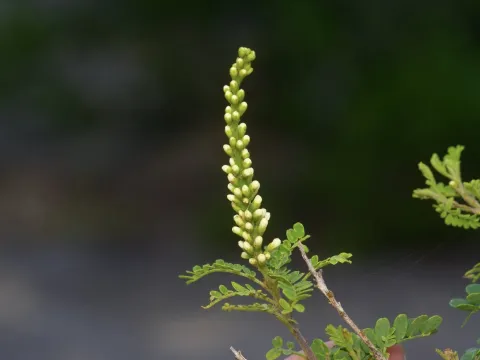
Eysenhardtia
Eysenhardtia
Eysenhardtia is a genus of shrubs and trees belonging to the Fabaceae family. Native to North and Central America, these plants are well-adapted to arid environments, often found in rocky, calcareous, and semi-desert soils.
What the section contains


Eysenhardtia
The plant requires full sun exposure and excellent soil drainage. It is highly drought-tolerant once established, making it a sustainable choice for xeriscaping and soil conservation in regions with limited annual rainfall.
Soil requirements focus on alkalinity and minimal water retention. Clay soils that hold excessive moisture should be amended with organic matter or grit to ensure that the root system remains well-aerated throughout the growing season.
Climate adaptation is a key feature, as species in this genus thrive in areas with pronounced seasonal variations. While they tolerate heat well, young specimens need protection during periods of intense frost until they develop woody stems.
Commercially, Eysenhardtia is known for its wood, which exhibits unique optical properties in water—a phenomenon known as fluorescence. Furthermore, it serves as a nectar source for pollinators, significantly contributing to local honey production.
Root rot is the primary physiological and pathological threat to Eysenhardtia. This condition is almost exclusively caused by over-irrigation or inadequate drainage, leading to the rapid decay of the taproot and secondary feeder roots.
Foliar pests, including scale insects and aphids, may infest the foliage during the early spring flush. These insects can reduce the photosynthetic capacity of the plant and may necessitate targeted control if infestations become severe.
Wood-boring beetles pose a risk to older or stressed trees, especially in drought-prone areas where trees lack sufficient sap pressure to defend against invaders. Regular inspection of the bark and main branches is recommended.
Fungal leaf spots can occur during unusually humid growing seasons. While rarely lethal to mature plants, these infections can cause premature leaf drop and reduce the overall vigor of the plant throughout the summer.
Nematodes are another concern in specific soil types. Pre-planting site analysis for soil-borne pathogens is advised, particularly if the land was previously used for intensive agricultural crop production.