
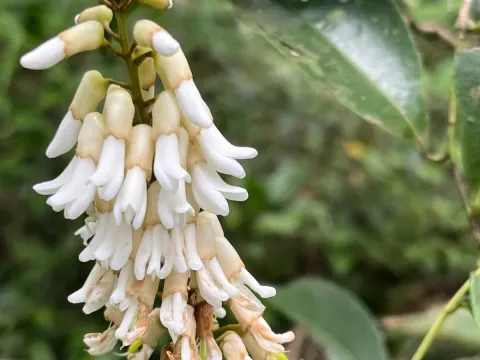
Euchresta
Euchresta
Euchresta is a genus of evergreen shrubs and subshrubs belonging to the Fabaceae (Legume) family. These plants are native to the tropical and subtropical regions of East and Southeast Asia, including parts of Japan, China, and Indonesia, where they typically occupy understory habitats in forests.
What the section contains

Euchresta
To cultivate Euchresta successfully, one must mimic its natural environmental conditions, which favor filtered light or partial shade. Exposure to intense, direct sunlight is generally detrimental, as it can scorch the foliage and hinder the plant's metabolic processes.
The substrate should be rich in organic matter and possess excellent drainage properties. A neutral to slightly acidic pH is ideal for nutrient absorption. Water management is critical; the soil should be kept consistently moist but never waterlogged to avoid root rot, which is the most significant physiological risk.
Temperature requirements are relatively stable, with the plant performing best in a range between 20°C and 28°C. It is sensitive to extreme frost, and in temperate zones, it requires protected conditions such as a greenhouse or conservatory to survive the winter months.
The economic value of Euchresta lies primarily in its phytochemical profile, specifically the presence of certain alkaloids, which has led to its use in traditional medicine. Outside of botanical research and specialized pharmacological applications, it is rarely cultivated as a commodity crop.
Fungal pathogens represent the primary threat to the health of Euchresta plants. Damp conditions combined with poor airflow often lead to root and stem rot, which can prove fatal if not addressed through immediate drainage correction and fungicide treatment.
Pests such as spider mites, aphids, and mealybugs are the most common insects encountered in cultivation. These pests thrive in indoor or protected environments where natural predators are absent, often requiring regular intervention.
Maintaining a clean growing environment is essential for preventing the spread of diseases. Tools used for pruning or maintenance should be sterilized to prevent the accidental transmission of viruses or bacteria between specimens.
Integrated Pest Management (IPM) strategies, including the use of horticultural oils or biological controls, are recommended to minimize the reliance on chemical pesticides. Monitoring for early signs of leaf discoloration or wilting is vital.
The resilience of the plant is largely dependent on the robustness of its root system. Therefore, maintaining appropriate potting standards and avoiding excessive fertilization is key to preventing stress-induced vulnerability to infections.