
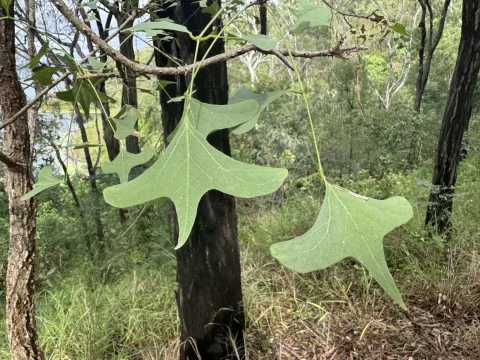
Bat wing coral tree
Erythrina vespertilio
The Bat wing coral tree (Erythrina vespertilio) is a distinctive member of the Fabaceae family native to the arid and semi-arid regions of Australia. It is highly valued for its exceptional ability to withstand extreme heat and prolonged drought.
What the section contains
Bat wing coral tree
Cultivation requires well-drained soil, preferably sandy or stony loams, to replicate the natural habitat conditions. The species is highly sensitive to waterlogging, which quickly causes root decay and overall plant decline.
Optimal growth occurs under full sun exposure. The tree thrives in warm, frost-free climates and is unsuitable for temperate regions where winter temperatures fall below freezing for extended periods.
Botanically, it features unique foliage shaped like bat wings, which is a key identifying trait. The tree is deciduous, shedding its leaves during dry spells to conserve water, then producing bright red flowers upon the return of sufficient rainfall.
In agricultural and landscaping contexts, it is used for soil stabilization and as a nitrogen-fixing plant for reforestation projects. Its drought tolerance makes it a sustainable choice for xeriscaping in arid climates.
The main threats to Erythrina vespertilio include wood-boring beetles that target the trunks of stressed trees. Maintaining tree vigor through appropriate site selection and minimal disturbance helps reduce susceptibility to these pests.
Root rot pathogens represent the most significant disease risk. These often occur due to poor site drainage or over-irrigation during the cooler months when the plant's metabolic activity is reduced.
Scale insects can occasionally infest the leaves and stems, causing localized yellowing and leaf drop. Early detection and treatment with horticultural oils are usually sufficient to manage such infestations.
Mechanical damage to the bark by animals or maintenance equipment can serve as an entry point for opportunistic pathogens. Proper physical protection is advised during the initial years of development.
Limited air circulation within a dense canopy can encourage fungal foliage issues during humid summers. Regular structural pruning promotes airflow and maintains the tree's health and aesthetic appeal.