
Bauhinia
Bauhinia L.
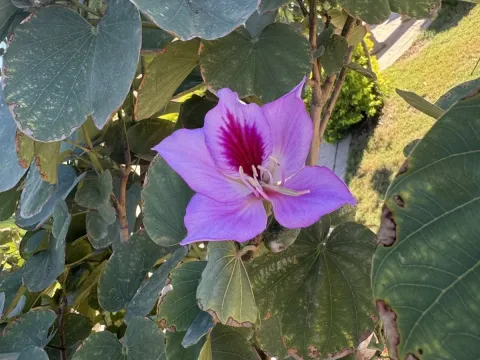
Bauhinia L. is a diverse genus of flowering plants in the legume family, Fabaceae. Commonly known as orchid trees, these plants are celebrated for their distinctive two-lobed leaves and large, fragrant, orchid-like flowers.
What the section contains

Bauhinia
Native to tropical and subtropical regions worldwide, Bauhinia species thrive in warm, frost-free climates. They are widely distributed across Asia, Africa, and the Americas, often utilized in landscaping for their ornamental value.
Successful cultivation requires well-drained, fertile soil. While these trees are relatively hardy regarding soil type, they strictly demand excellent drainage to prevent root rot, which is their primary physiological vulnerability.
The plant requires full sun exposure to produce abundant blooms. In environments where temperatures drop below freezing, Bauhinia must be kept as a container plant and moved to a sheltered, frost-free location during winter.
Agricultural management involves consistent watering during the growing season and periodic fertilization. Pruning is essential for maintaining a desirable shape and promoting dense, lateral growth of the branches.
In greenhouse or indoor conditions, Bauhinia is susceptible to common pests such as spider mites, aphids, and scale insects, which can be managed through regular monitoring and appropriate horticultural oils.
Fungal infections, including leaf spot diseases and powdery mildew, are typical threats when humidity levels are excessively high or air circulation around the canopy is restricted.