
Bauhinia acuminata
Bauhinia acuminata
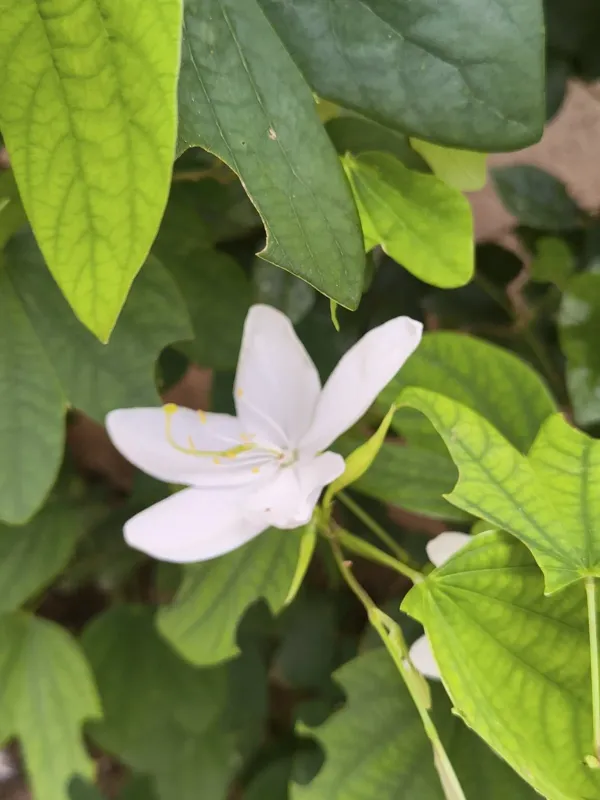
Description
Sowing dates
Bauhinia acuminata, commonly known as the dwarf white bauhinia, belongs to the Fabaceae family. It is a perennial tropical shrub widely recognized for its snow-white, orchid-like flowers.
Propagation is typically achieved via seeds. Before planting, it is recommended to scarify the seed coat and soak the seeds in warm water for 24 hours to ensure more uniform germination.
Seeds should be sown in a well-draining, sterile potting mix. Keep the soil consistently moist but not waterlogged, maintaining a temperature between 22 and 25 degrees Celsius for optimal results.
Seedlings emerge within a few weeks. It is crucial to provide them with bright, indirect light immediately after germination to prevent legginess and ensure the development of a sturdy stem.
Once the seedlings develop at least two sets of true leaves, they can be carefully transplanted into larger individual pots. Handle the root ball with extreme care to avoid transplant shock.
Growing requirements
This species thrives in locations with full sun to light shade. In tropical climates, it performs best in well-drained soil rich in organic matter, though it adapts well to various soil types.
Watering requirements are moderate. While the plant can withstand short periods of dryness, consistent soil moisture is preferred during the peak blooming season to maximize flower production.
The plant requires high humidity to flourish. If grown in indoor environments or dry climates, regular misting of the foliage or using a humidifier can significantly improve plant health.
Temperature management is vital; Bauhinia acuminata is not frost-tolerant. It prefers temperatures consistently above 15 degrees Celsius for active vegetative growth and flowering.
Pruning is an essential part of its maintenance. Trimming back the branches after the flowering period promotes denser growth and a more attractive, compact shape for the shrub.
Main diseases and pests
Common pests include spider mites and scale insects, which often target the plant when it is grown in environments with poor air circulation and low humidity.
Overwatering is the primary cause of root rot, a fungal disease that can quickly kill the plant. Ensuring adequate drainage in the pot or soil is the best preventative measure.
Leaf spot diseases, often caused by fungi or bacteria, may appear if the foliage remains wet for extended periods. Promoting good airflow is key to preventing these outbreaks.
If an infestation occurs, horticultural oils or insecticidal soaps can be applied to manage the population of pests while being careful not to damage the delicate flowers.
Regular monitoring and physical removal of pests, combined with proper cultural practices such as avoiding overhead watering, are the most effective ways to maintain a healthy shrub.