
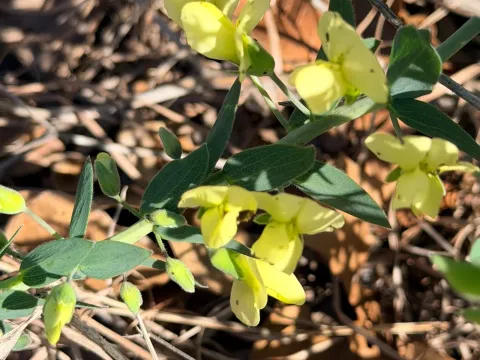
Baptisia
Baptisia
Baptisia is typically propagated from seeds or by careful division of established root clumps. Seeds should be scarified before planting to break their hard seed coat and improve germination rates significantly.
What the section contains


Baptisia
Direct sowing in the autumn allows for natural winter stratification, leading to more uniform seedling emergence in the spring. This method is generally preferred as it avoids the shock of transplanting.
If starting seeds indoors, use deep containers to accommodate the rapidly growing taproot. Avoid letting the plants become root-bound, as this severely compromises the long-term vigor of the crop.
Transplanting should be completed in early spring before the plant enters its rapid growth phase. Ensure the planting hole is deep enough to prevent bending the long primary roots during placement.
When dividing mature plants, only perform this task when absolutely necessary. Use a sharp spade to cut through the woody crown, taking care to keep a substantial portion of the root mass intact with each division.
Baptisia is a genus of herbaceous perennial plants belonging to the Fabaceae family, native primarily to the prairies and open woodlands of North America. It is recognized for its architectural form and nitrogen-fixing capabilities.
These plants thrive in full sun conditions, which are essential for maintaining sturdy stems and profuse flowering. While they tolerate light shade, excessive darkness results in leggy, weak growth.
Soil requirements are relatively flexible, provided the drainage is excellent. Baptisia is highly adaptable to poor, rocky, or sandy soils, though it performs best in deep, well-draining loams.
Once established, the plant exhibits remarkable drought tolerance due to its deep-reaching taproot system. Supplemental irrigation is only required during the first growing season or during prolonged heatwaves.
The plant is highly hardy and requires little in the way of fertilization. In fact, excessive nitrogen application can lead to lush foliage at the expense of floral display and overall plant longevity.
Baptisia is exceptionally resistant to most common garden pests and diseases. This natural hardiness makes it an excellent candidate for sustainable, low-input agricultural systems.
The most significant threat is improper soil moisture management. Soils that remain waterlogged for extended periods create an environment conducive to crown and root rots.
Occasional infestations of aphids may occur on tender spring growth. These are generally minor and can be managed with simple horticultural soaps or by encouraging local beneficial insect populations.
Curculio weevils may sometimes be found on the seed pods, which can impact seed viability. However, this rarely affects the overall health of the vegetative plant or its ornamental value.
To ensure long-term plant health, maintain good air circulation around the base of the plant. Avoid over-mulching directly against the crown to prevent moisture build-up and potential pathogen infection.