
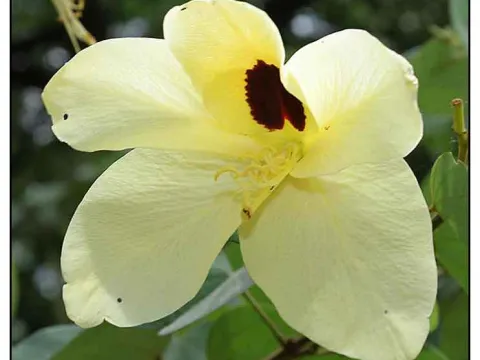
Bauhinia binata
Bauhinia binata
Bauhinia binata is a distinct member of the Fabaceae (legume) family, widely recognized for its unique, dual-lobed leaves that resemble butterfly wings. Originating from tropical regions, this species thrives in climates where temperature extremes are absent.
What the section contains
Bauhinia binata
When cultivating this plant, providing well-draining, nutrient-rich soil is paramount. The plant performs best in slightly acidic to neutral substrates, which ensure optimal nutrient absorption and healthy root development during its active growth phases.
Light intensity plays a critical role in the physiological processes of Bauhinia binata. To maintain its vigor and promote blooming, the plant requires substantial exposure to sunlight, though protection from intense mid-day heat is beneficial in certain regions.
The irrigation schedule must be calibrated to the ambient temperature and plant growth stage. Consistent moisture is necessary, but the soil must be allowed to dry out slightly between waterings to prevent the development of root diseases caused by waterlogging.
In landscape architecture, Bauhinia binata serves as an excellent ornamental specimen. Its ability to be pruned allows growers to train it into various shapes, making it a valuable addition to tropical garden designs and large greenhouse collections.
The health of Bauhinia binata is frequently challenged by common greenhouse and garden pests. Among these, aphids are highly active, feeding on sap and often leading to the curling of young, succulent leaves during the spring season.
Fungal infections, particularly those affecting the foliage, are significant threats during periods of high humidity. Proper air circulation around the plant is the most effective preventative measure against such diseases.
Root rot represents a lethal threat to this species if the substrate remains waterlogged for prolonged periods. The use of sterile, coarse-textured potting media is highly recommended to ensure oxygen reaches the roots effectively.
Scale insects present a persistent challenge, often residing on the undersides of leaves or along the woody stems. Hand-cleaning or the application of horticultural oils is often required for effective long-term management.
Ongoing monitoring is essential to keep Bauhinia binata thriving. By inspecting the plant weekly for signs of yellowing or spotting, growers can implement timely corrective actions, such as removing damaged tissue or adjusting environmental parameters.