
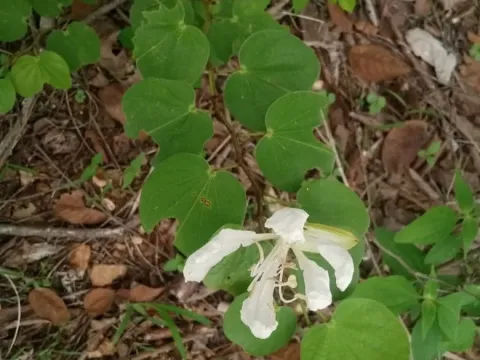
Bauhinia aculeata
Bauhinia aculeata
Bauhinia aculeata is a woody plant belonging to the Fabaceae family. It is distinct for its thorny stems and branches, which serve as a natural defense mechanism in its native tropical environments across Central and South America.
What the section contains
Bauhinia aculeata
The plant thrives in climates with distinct wet and dry seasons. It is highly valued for its adaptability to various tropical conditions, provided that the soil is sufficiently well-drained and the location is fully exposed to sunlight.
Optimal growth requires fertile, sandy loam soils. The species is sensitive to waterlogging, necessitating excellent drainage systems in agricultural or plantation settings to prevent root rot and physiological stress.
Temperature management is critical; the plant performs best in warm tropical environments above 20 degrees Celsius. It does not tolerate frost, which can cause significant damage to the vascular tissue and hinder its growth recovery.
Maintenance involves regular pruning to manage crown density and promote healthy foliage. Integrated nutrient management, incorporating both organic matter and balanced NPK fertilizers, supports vigorous growth and consistent development throughout the season.
Common pests include aphids and spider mites, which can proliferate under dry, hot conditions. Early detection is key, often requiring the use of horticultural oils or mild insecticides to control populations without damaging the plant.
Fungal diseases like leaf spot and powdery mildew may occur if the planting density is too high, leading to poor air circulation. Maintaining proper spacing between trees and ensuring good light penetration significantly reduces the impact of these pathogens.