
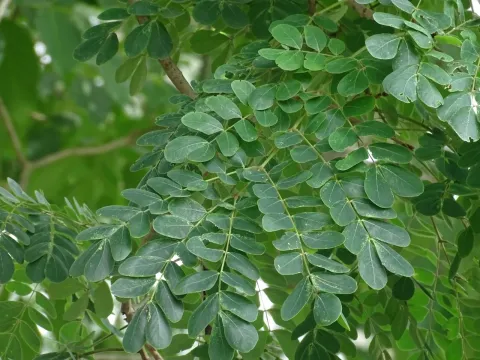
Balizia
Balizia
Propagation of Balizia is primarily achieved through seeds, which require careful handling to break dormancy and ensure uniform germination across the nursery bed.
What the section contains

Balizia
Mechanical scarification of the hard seed coat is highly recommended prior to planting to allow water absorption, which is critical for initiating the germination process.
The seeds should be sown in a well-drained, nutrient-rich potting medium, ideally at the onset of the wet season to capitalize on natural humidity and warmth.
Proper spacing during the nursery phase is essential to prevent overcrowding, which can lead to elongated, weak stems that are susceptible to damage after transplantation.
Seedlings are generally considered ready for field outplanting once they reach a height of 30 to 50 centimeters and have developed a robust root system.
Balizia thrives in tropical environments characterized by high temperatures and consistent rainfall, requiring a frost-free climate for healthy growth.
The species is adaptable to various soil types but prefers deep, fertile, and well-aerated soils that support rapid root penetration and nitrogen fixation.
As a member of the Fabaceae family, it forms symbiotic relationships with bacteria that enrich the soil, making it a valuable asset for soil restoration projects.
Optimal growth is observed in full sun conditions, as the species is essentially intolerant of dense shade throughout most stages of its life cycle.
Water management is vital; while the mature trees exhibit some drought tolerance, consistent moisture during the early establishment phase is non-negotiable.
The economic value of Balizia is largely centered on its wood, which is utilized for high-quality furniture making and construction due to its durability and aesthetic appeal.
In addition to timber, Balizia is widely recognized for its role in agroforestry systems, where it provides essential shade for shade-grown crops like coffee and cocoa.
Sustainable harvesting cycles typically range from 15 to 25 years, depending on the site index, soil quality, and the level of silvicultural intervention applied.
The biomass generated from pruning and leaf fall acts as a natural fertilizer, significantly improving the organic matter content of the surrounding topsoil.
Yields are maximized by implementing systematic thinning practices, which allow the best-performing individual trees to achieve optimal diameter at breast height.
Leaf-eating insects represent a primary threat in tropical settings, capable of causing defoliation that slows down the tree's overall growth rate and vigor.
Fungal pathogens affecting the root system are often linked to poorly drained soils, leading to significant seedling mortality within the plantation environment.
Wood-boring beetles can compromise the integrity of the tree trunk, rendering the timber unusable for high-value carpentry if the infestation is not detected early.
Environmental stressors, such as extreme winds or unseasonal dry spells, can increase susceptibility to secondary pests and various opportunistic plant diseases.
Effective management includes integrated pest control strategies, regular health inspections, and maintaining optimal stand density to reduce stress-induced vulnerabilities.