
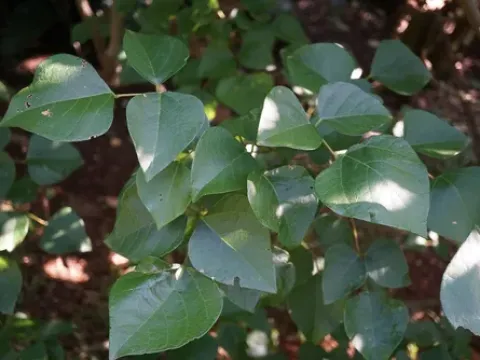
Erythrina pallida
Erythrina pallida
Erythrina pallida is a notable species within the Fabaceae family, recognized for its role in tropical and subtropical agroforestry. It is a perennial plant that thrives in environments where warm temperatures are maintained throughout the year.
What the section contains
Erythrina pallida
The cultivation of this species requires well-drained soil types. While it adapts to various textures, loamy soils that provide good aeration are ideal. Waterlogging is detrimental to its development and must be avoided to prevent root system degradation.
Regarding climate, the plant requires significant exposure to sunlight for optimal biomass production. It is highly intolerant of frost, meaning its successful agricultural application is confined to frost-free zones. It demonstrates good resilience to periods of moderate water stress once established.
In practice, it is often utilized as a soil-improving crop. By forming symbiotic relationships with rhizobia, it fixes nitrogen into the soil, benefiting surrounding plants. This makes it a valuable component in intercropping systems.
Botanically, Erythrina pallida is characterized by its distinct floral structure and specialized foliage. The plant has a robust root architecture that allows it to penetrate deeper soil layers, contributing to soil stabilization in erosion-prone areas.
The plant is susceptible to several pests, notably aphids and scale insects, which target the tender shoots and foliage. These infestations can significantly hamper the growth rate if left uncontrolled during the early stages of development.
Fungal diseases, specifically leaf spot and root rot, represent significant threats under conditions of excessive moisture. High humidity, combined with poor air circulation within the canopy, creates a perfect environment for pathogen proliferation.
Standard management practices involve regular sanitation and pruning. Removing dead or diseased branches helps maintain airflow, which is the most effective cultural method to reduce the risk of fungal outbreaks.
Integrated Pest Management (IPM) is strongly recommended to protect the trees. This includes utilizing beneficial insects that naturally predate on common pests, reducing the need for intensive chemical interventions.
Furthermore, maintaining soil health and preventing physical damage to the bark are essential steps in ensuring the tree remains vigorous and capable of resisting common environmental stressors and opportunistic pathogens.