
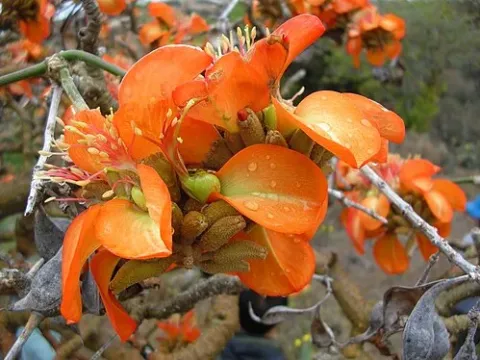
Erythrina macrophylla
Erythrina macrophylla
Erythrina macrophylla is a prominent member of the Fabaceae family, recognized for its large, distinctive foliage and vibrant floral structures. Native to tropical and subtropical regions, it thrives in environments characterized by high humidity and consistent warmth.
What the section contains
Erythrina macrophylla
Successful cultivation of this species requires a location with full sun exposure. Adequate light is essential for the tree to synthesize energy, especially for the development of its large leaf surface area, which is a signature characteristic of the species.
Soil requirements focus on high permeability and excellent drainage. The tree is highly susceptible to root hypoxia caused by waterlogging, thus necessitating a sandy loam soil structure mixed with organic matter to ensure root health.
Watering strategies must be adapted to the plant's growth cycles. During the active vegetative phase, deep and consistent irrigation is beneficial, while during the dormant winter period, the plant requires significantly less moisture to prevent rot.
The climate requirement is strictly subtropical or tropical. As the plant is not frost-tolerant, cultivation in cooler latitudes must involve greenhouses or containers, ensuring that ambient temperatures remain above 15°C for optimal physiological activity.
Spider mites represent a significant threat to Erythrina macrophylla, particularly in environments with low relative humidity. Regular monitoring of the leaf undersides is crucial for the early detection and management of mite colonies before they cause severe damage.
Root rot, primarily caused by Phytophthora species, is the most critical threat to tree longevity. It occurs when irrigation schedules are poorly managed or when the growing medium lacks the necessary porosity for oxygen exchange.
Aphid infestations frequently target tender young shoots. These sap-sucking insects can introduce secondary viral infections, which significantly impair the tree's vigor and negatively impact its ability to produce high-quality blooms.
Powdery mildew may manifest as a white, dusty layer on the foliage during periods of fluctuating humidity levels. Applying proper spacing between plants and ensuring good air circulation are the most effective preventive measures against this condition.
Scale insects are also prevalent on the woody parts of the plant. If left untreated, they can encrust the stems and branches, weakening the overall structure and growth of the tree. Manual removal or appropriate systemic treatments should be applied promptly.