
Erythrina latissima
Erythrina latissima
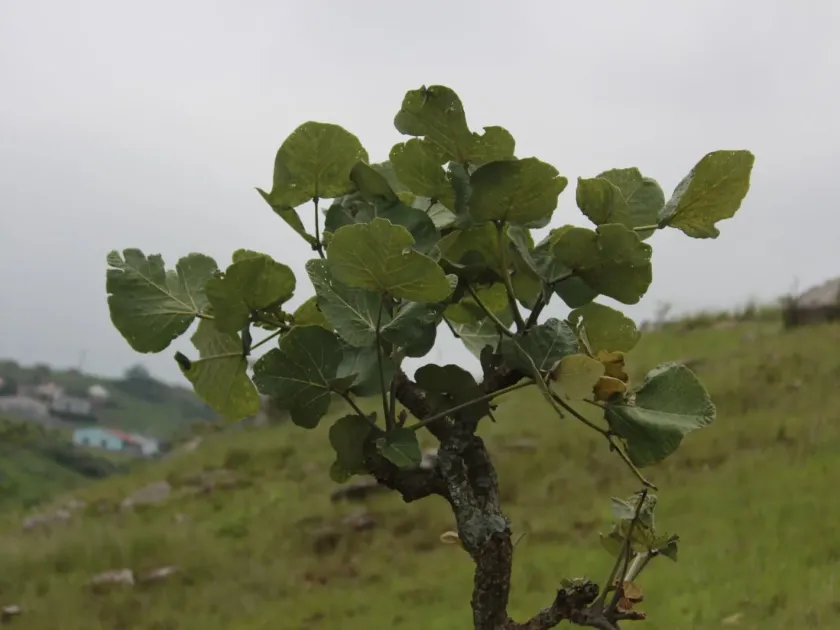
Description
Sowing dates
Sowing of Erythrina latissima is primarily carried out using seeds during the spring season when the soil is sufficiently warmed. Pre-treatment of seeds via scarification is required to ensure uniform and rapid germination.
The optimal temperature range for germination is between 22 and 25 degrees Celsius. Seeds are typically planted at a depth of 2–3 centimeters in a lightweight, well-drained substrate.
Propagation by cuttings is also an effective method during the summer, allowing for the preservation of parent plant traits. Cuttings are placed in a sand and peat mixture with high humidity levels.
Once the first true leaves emerge, seedlings are transplanted into individual containers for further development. Final transplantation to a permanent site is generally conducted after the first year of growth.
In outdoor conditions, young plants require protection from sudden temperature drops, so planting is scheduled for periods of stable, warm weather.
Growing requirements
Erythrina latissima is a deciduous tree belonging to the Fabaceae (legume) family, native to the tropical regions of Southern Africa. The plant thrives in well-lit locations with direct sunlight exposure.
The species is relatively adaptable to soil conditions but performs best in deep, well-drained loams. Waterlogging of the root system must be strictly avoided to prevent rot and physiological distress.
Active growth is observed at temperatures between 20 and 30 degrees Celsius. While established trees show moderate drought tolerance, regular irrigation is essential during extended hot and dry periods.
Protection from high winds is a critical maintenance factor, as large leaves and brittle stems can be easily damaged. In temperate zones, it is successfully managed as a containerized plant.
Fertilization is performed during the active growing season, utilizing balanced mineral fertilizers with reduced nitrogen levels to promote flowering rather than excessive foliage growth.
Main diseases and pests
Spider mites and mealybugs are the most common pests affecting Erythrina, particularly in environments with low humidity. Regular misting of the canopy helps suppress these populations.
Excessive soil moisture often leads to fungal pathogens, including powdery mildew and anthracnose. Systemic fungicides are effective for managing these issues when outbreaks occur.
Nematode infestations can occur when the plant is grown in contaminated soil. Proper field sanitation and soil management remain the most effective preventive measures against these pests.
Aphids may colonize young shoots and developing flower buds, resulting in sap loss and deformation of tissue. Targeted application of insecticides is recommended at the onset of pest activity.
Monitoring the integrity of the bark is essential, as physical injuries can provide entry points for secondary bacterial infections or wood-boring insects.