
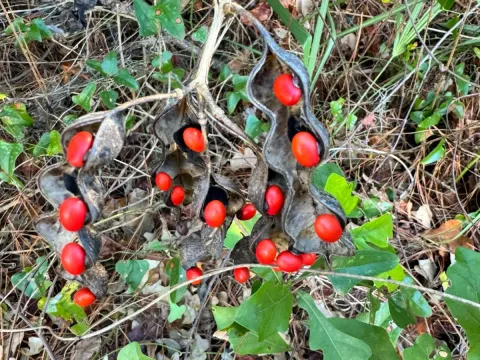
Erythrina herbacea
Erythrina herbacea
Erythrina herbacea, commonly known as the coralbean, is typically propagated from seeds. The seeds have a hard, water-impermeable coat, which necessitates mechanical or chemical scarification to facilitate germination. Sowing is usually performed in late spring once the soil temperature is consistently above 18–20 °C.
What the section contains
Erythrina herbacea
Seeds should be planted at a depth of approximately 2–3 centimeters in a well-draining potting mix or prepared nursery bed. Proper moisture management is essential during the early stages; the substrate should be kept moist but not waterlogged to prevent seed rot before emergence.
Nursery propagation allows for the hardening of seedlings before they are transplanted into their permanent outdoor locations. Providing adequate sunlight and proper air circulation during the early growth stages is crucial for developing a robust root system.
When transplanting into the field, ensure a spacing of at least 1.5 to 2 meters between plants to accommodate the spreading nature of the shrub. This distance prevents crowding and allows the plant to reach its full potential height and spread.
The chosen site must receive full sun exposure. While the plant can tolerate light shade, excessive darkness results in leggy growth and significantly reduced flowering, which is the primary aesthetic feature of this species.
As a member of the Fabaceae family, Erythrina herbacea thrives in sandy, well-draining soils with a neutral or slightly acidic pH. The species is highly sensitive to poorly drained or heavy clay soils, which often lead to crown and root rot, threatening the plant's survival.
Once established, the coralbean is remarkably drought-tolerant, largely due to its thick, tuberous taproot that stores water and nutrients. However, providing supplemental irrigation during prolonged dry spells during the first few growing seasons will encourage faster maturation.
The plant performs best in warm climates, ideally with temperatures ranging from 20 °C to 30 °C. It is frost-sensitive, and while it may survive light cold, prolonged freezes can damage the above-ground portions of the shrub, often requiring it to regrow from the base in the following season.
Soil fertility management should focus on balanced inputs. Heavy applications of nitrogen-rich fertilizers are generally discouraged as they promote excessive vegetative growth at the expense of floral production; a low-nitrogen, high-phosphorus formula is preferred.
Good air circulation is vital for maintaining plant health. In humid areas, dense foliage can become prone to fungal issues, so regular monitoring and thinning of branches are recommended practices in the maintenance cycle.
The coralbean is subject to damage from several common pests, most notably spider mites and aphids, which colonize the undersides of the leaves. Using horticultural soaps or systemic insecticides is generally effective in managing these infestations when detected early.
Root-knot nematodes present a significant risk, particularly in sandy soils where the plant naturally thrives. Implementing crop rotation and ensuring healthy, organic-rich soil can help mitigate the impact of these soil-borne parasites on the plant's vigor.
Fungal leaf spots and powdery mildew can occur during periods of high humidity or excessive rain. Preventive measures include ensuring good spacing between individuals and avoiding overhead watering, which keeps the leaf surfaces wet for extended periods.
Thrips are another concern, as they often target the developing flower buds, leading to stunted or distorted blooms. Regular scouting during the flowering window allows for timely intervention before significant damage to the plant's ornamental value occurs.
Integrated pest management strategies, combining biological controls and selective chemical applications, are recommended for maintaining plant health. Keeping the area free of weeds also helps minimize competition and potential pest reservoirs near the base of the shrub.