
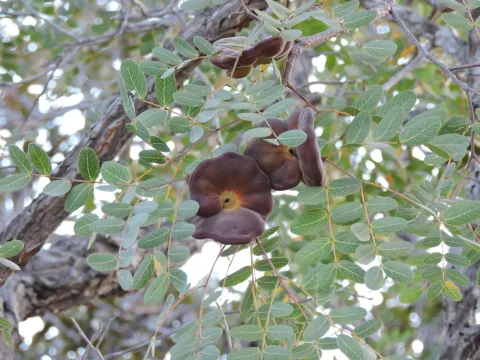
Enterolobium gummiferum
Enterolobium gummiferum
Enterolobium gummiferum propagation is typically achieved through seeds, which require mechanical or chemical scarification to break dormancy.
What the section contains
Enterolobium gummiferum
Sowing is conducted in nursery beds or containers at the onset of the rainy season to ensure sufficient moisture for seed germination.
When transplanting saplings, growers must account for significant spacing needs, as the species develops a wide and extensive canopy.
The optimal planting window is determined by local rainfall patterns to allow roots to establish firmly before the onset of the dry season.
Natural regeneration strategies often involve mimicking natural dispersal patterns, which is beneficial for large-scale reforestation projects.
As a member of the Fabaceae family, this species thrives in tropical environments characterized by a distinct dry and wet season cycle.
The tree demonstrates remarkable adaptability to various soil profiles, flourishing in both sandy substrates and nutrient-poor clay soils.
Enterolobium gummiferum requires full sun exposure to maintain vigorous growth rates and support its structural development.
Adequate soil drainage is essential, as the species is sensitive to waterlogging, which can compromise its root health and long-term viability.
The plant acts as an efficient nitrogen fixer, making it a critical component for restoring soil health in degraded agricultural landscapes.
The primary economic value of this crop lies in its timber, which is light, durable, and highly resistant to warping under varied conditions.
Beyond wood production, the tree yields pods that serve as a high-protein feed source, supporting livestock farming in arid tropical regions.
With structured management, the biomass yield can be maximized within a 15- to 20-year cycle, depending on local environmental factors.
Secondary products include resins extracted from the bark, which serve specific roles in local technical and pharmaceutical applications.
Consistent agricultural practices ensure a sustainable harvest, providing a steady supply of both high-quality wood and nutritious forage.
Saplings are susceptible to insect attacks, particularly boring beetles that target the bark and inner cambium layers of the plant.
Fungal infections often arise in environments with poor air circulation, potentially leading to root or trunk rot in densely packed stands.
Improper pruning techniques create entry points for pathogens, which can result in internal decay and loss of wood quality.
During prolonged dry spells, aphid infestations may occur, slowing down growth rates and making the tree more vulnerable to further stressors.
A preventative approach, including regular health inspections and appropriate stand spacing, is recommended to mitigate these biological threats.
Timber harvesting is managed through selective logging, which preserves the ecological integrity of the plantation while yielding wood products.
Fruit harvesting is performed as pods reach full maturity and naturally detach from the branches, typically covering the ground underneath.
Harvested seeds require prompt cleaning to remove residual fruit pulp, ensuring quality and preventing microbial growth during storage.
Air-drying logs under protective shelters is a critical post-harvest step to ensure the timber remains stable and free from stress fractures.
Safe harvest operations depend on the use of standardized equipment and adherence to strict protocols for handling heavy woody biomass.