
Endosamara racemosa
Endosamara racemosa
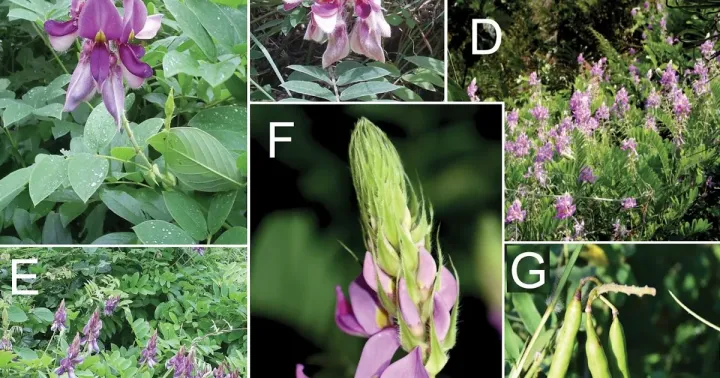
Description
Growing requirements
Endosamara racemosa is a perennial leguminous plant belonging to the family Fabaceae. Known for its climbing or sprawling growth habit, it plays a significant role in nitrogen fixation, which contributes to the overall sustainability of local tropical and subtropical ecosystems.
The species is indigenous to South and Southeast Asia. Its adaptability to diverse environments allows it to thrive in regions with distinct wet and dry seasons, provided there is sufficient soil moisture during the active vegetative growth phase.
Regarding soil requirements, this plant prefers well-drained, fertile soil types. It performs best in neutral to slightly acidic soils and struggles significantly in waterlogged conditions, which can lead to rapid decay of the root system.
Climate demands are centered around warm temperatures, typically between 22 and 32 degrees Celsius. It requires substantial sunlight to ensure proper development of foliage and subsequent seed production during the maturation period.
The primary agricultural use of this crop is as a green manure or cover crop. By incorporating the biomass into the soil, farmers can significantly improve soil organic matter content and provide an available nitrogen source for subsequent subsistence or commercial crops.
Main diseases and pests
Common pathological threats include fungal infections such as leaf spot, which are particularly prevalent during periods of prolonged high humidity and poor field airflow.
Pest pressure often stems from leaf-eating beetles and pod borers that target the reproductive structures of the plant, potentially reducing yield if not controlled.
Effective management strategies include maintaining adequate plant spacing to allow for airflow, which reduces the moisture trapped in the lower canopy.
Integrated pest management protocols suggest the use of beneficial insects and regular scouting to identify early signs of infestation before they reach economic injury levels.
Sanitation of the field after harvest is essential to remove crop residues that might harbor pathogens, thereby reducing the risk of infection for the next planting season.