
Dimorphandra
Dimorphandra
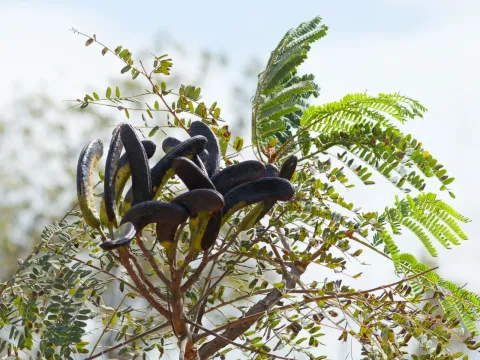
Dimorphandra is a genus of tropical trees belonging to the Fabaceae family. Native to South America, particularly Brazil, these trees are a significant component of tropical rainforests and savanna regions, known for their distinct botanical characteristics.
What the section contains


Dimorphandra
The culture thrives in tropical climates where high humidity and warm temperatures prevail year-round. It prefers deep, well-drained soils that support the development of its expansive root system, which is essential for nutrient uptake in competitive forest environments.
Botanically, Dimorphandra trees are recognized by their feathery compound leaves and dense flower clusters. Their most significant agricultural value lies in the fruits (pods), which are a rich source of flavonoids, specifically rutin, highly valued by the global pharmaceutical industry.
Cultivation requires specialized knowledge of the plant’s ecological preferences. While often harvested from wild stands, managed plantations must ensure high soil fertility and adequate spacing to maximize the yield of medicinal components.
The economic utilization of the plant is primarily focused on the extraction of active compounds. Because the cultivation process is labor-intensive and site-specific, it remains a specialized branch of tropical forestry and agronomy.
The health of Dimorphandra stands is often threatened by fungal pathogens that target the vascular system in high-moisture environments. Managing these diseases requires careful site selection and proper drainage protocols.
Insect pests, including various larvae that feed on leaves and boring insects that affect the bark, represent another significant challenge. Integrated pest management strategies are often implemented to control these populations without compromising product quality.
Nutritional deficiencies can weaken the trees, making them more susceptible to opportunistic diseases. Agronomists focus on maintaining balanced soil chemistry through periodic testing and the application of suitable organic inputs.
Environmental factors, such as extreme meteorological events, can impact the harvest cycle. Prolonged droughts or excessive precipitation affect both the reproductive output of the tree and the concentration of chemical compounds in the pods.
Sustainable harvesting is a critical issue for this genus. Over-exploitation of trees for their bark and fruits necessitates the implementation of strict harvesting guidelines to protect the natural longevity of these tropical trees.