
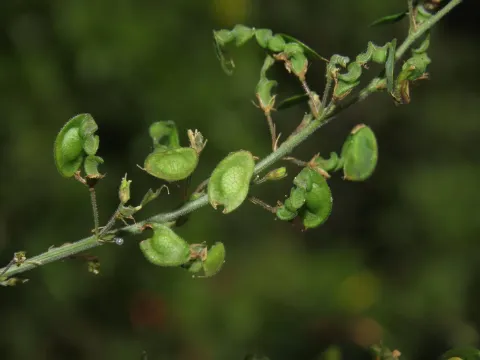
Desmodium glabrum
Desmodium glabrum
Desmodium glabrum is a perennial legume traditionally cultivated in tropical and subtropical regions. The optimal sowing time is at the beginning of the rainy season, which provides the seeds with the necessary moisture for successful germination.
What the section contains
Desmodium glabrum
In regions with distinct seasonality, sowing is performed in warmed soil at a temperature of no less than 20–25 degrees Celsius. It is crucial to ensure an adequate seeding depth, which usually ranges from 1 to 2 centimeters depending on the soil structure.
When used in pasture mixtures, seeds are often sown alongside grass species to create a balanced forage stand. Seeding density is adjusted according to the intended use: it is higher for hay production than for establishing long-term pastures.
Pre-sowing treatment, including scarification, can significantly increase the germination percentage under field conditions. The plant has a good ability for rapid development in the initial stages if sufficient light levels are provided.
In the first weeks after emergence, crops require protection against weed competition. Slow initial development makes Desmodium vulnerable, so agronomists recommend thorough field preparation before sowing.
This crop prefers well-drained soils with a neutral or slightly acidic pH level. The plant can adapt to nutrient-poor soils, but it significantly increases its biomass when sufficient phosphorus is available in the ground.
Desmodium glabrum exhibits moderate drought tolerance, allowing it to survive during short dry spells, but productive growth requires regular hydration. The plant does not tolerate prolonged waterlogging or standing water in the root zone.
Climatically, the crop thrives in hot conditions where daily temperatures do not drop below the comfort levels for legumes. It demonstrates an excellent capacity for nitrogen fixation through symbiosis with rhizobia bacteria, making it a valuable component of crop rotation.
Lighting is a critical factor for the accumulation of nutrients in the vegetative mass. Although Desmodium glabrum can withstand partial shading, maximum yields are achieved in open, well-warmed areas.
- Optimal soils: loams and sandy loams.
- Soil reaction: pH 5.5–7.0.
- Temperature optimum: 22–30°C.
- Rainfall requirement: from 800 mm per year.
The green mass yield of Desmodium glabrum directly depends on the quality of management and frequency of harvesting. With intensive use, several cuts can be obtained in one growing season, providing a high output of nutritious fodder.
Average yield figures vary depending on the agro-climatic zone, ranging from 5 to 15 tons of dry matter per hectare annually. The high protein concentration makes this crop an indispensable supplement in the diet of ruminants.
Proper grazing or harvesting management promotes intensive branching of the plant. If Desmodium is allowed to overgrow, a decrease in fodder quality is observed, so it is important to follow a harvesting schedule based on the early flowering stage.
In addition to forage mass, the crop effectively improves soil structure, leaving behind a significant amount of organic matter. This makes Desmodium glabrum a promising component of green manure mixes for restoring soil fertility.
The economic efficiency of growing this crop is determined by the reduction in costs for nitrogen fertilizers for subsequent crops in the rotation. Due to its ability to fix atmospheric nitrogen, Desmodium acts as a natural soil improver.
Major diseases include fungal infections of the root system, which arise from poor water management or excessive soil compaction. Phytophthora and various types of rot can affect crops in conditions of high humidity.
Among pests, leaf-eating insects and weevils, which damage the vegetative organs of the plant, pose the greatest threat. Regular monitoring of crop status allows for the timely detection of outbreaks and the implementation of control measures.
Viral diseases can reduce the overall vigor of Desmodium, manifesting as mosaic leaf patterns. Prevention consists of using clean seed material and maintaining spatial isolation from infected fields.
Nematodes can also negatively impact root system development, which often goes unnoticed until the growth rate of the aerial parts begins to decline. Utilizing crop rotation helps minimize the buildup of pests in the soil.
Integrated plant protection should include agronomic methods such as following seeding rates and selecting proper predecessors. Chemical control methods are applied only if the economic threshold of damage is exceeded.
Harvesting Desmodium glabrum is recommended during the active flowering phase, as the plant reaches its peak nutritional value at this time. Harvesting too late leads to stem lignification and reduced feed digestibility.
When making hay, it is important to ensure even drying of the cut mass to preserve the leaves, which are the most valuable part of the plant. Minimal mechanical disturbance during turning helps reduce leaf loss.
The cutting height should be sufficient for rapid regrowth of the stand. Leaving the stubble too low can deplete nutrient reserves in the rhizome, leading to slower growth after the cut.
Technical equipment for harvesting should include disk mowers, which allow for gentle and rapid operation. The harvested mass can be used both fresh and as a component for silage or haylage production.
Feed storage requires protection from moisture, as legume raw material is prone to spoilage at high humidity. The use of modern plastic wrapping or storage in covered facilities allows for long-term preservation of all beneficial crop properties.