
Desmodium elegans
Desmodium elegans
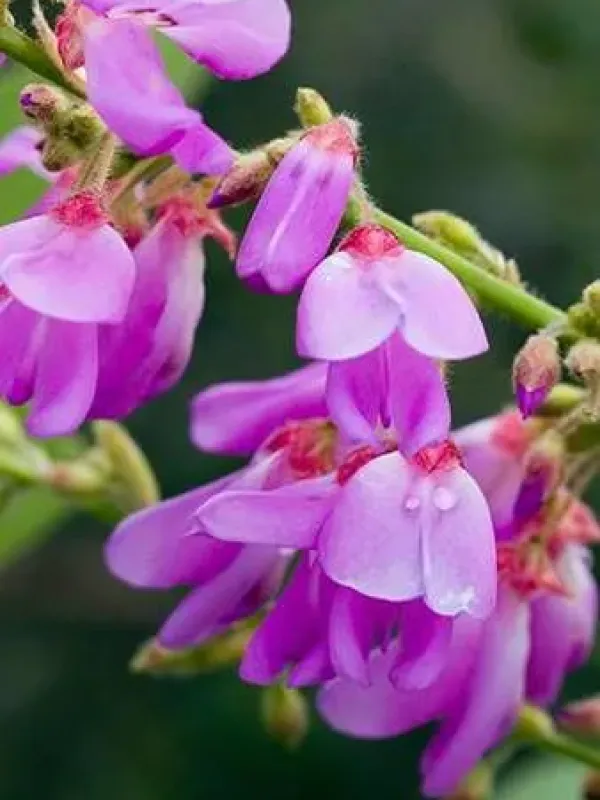
Description
Sowing dates
Desmodium elegans is a perennial shrub belonging to the Fabaceae family, typically propagated by seeds during the warm spring season.
Seed scarification is a recommended pre-sowing treatment to overcome the dormancy caused by the hard seed coat and to improve germination rates.
The optimal planting density should account for the plant's spreading habit, usually requiring row spacing of at least 60 centimeters.
Seeds are sown at a shallow depth of approximately 2 to 3 centimeters into well-prepared, loose soil to facilitate fast seedling emergence.
During the early establishment phase, it is essential to keep the rows free from competing weeds to allow the seedlings to develop a strong root system.
Growing requirements
This crop thrives in well-drained, fertile soil, ideally with a neutral to slightly acidic pH, and performs best in locations with high organic matter.
Desmodium elegans is a heliophilic plant, meaning it requires full exposure to sunlight to achieve its maximum biomass production and vigor.
The plant demonstrates a strong symbiotic relationship with nitrogen-fixing bacteria, which should be encouraged by maintaining adequate soil moisture and aeration.
While the plant is hardy in its native mountain ranges, it requires protection from severe frost and long-term waterlogging in cultivation areas.
Regular monitoring of soil moisture is vital during the peak growing season to ensure sustained development of both foliage and reproductive structures.
Main diseases and pests
Root rot caused by fungal pathogens is a primary threat, particularly in poorly drained soils or during prolonged periods of excessive rainfall.
Insect pests such as leaf-eating beetles and weevils may cause significant economic damage by reducing the plant's photosynthetic surface area.
Aphid infestations during the blooming stage can stress the plants and potentially transmit viral diseases, requiring careful management.
Maintaining adequate space between plants is a key cultural practice to improve air circulation and naturally suppress the onset of fungal diseases.
Integrated pest management strategies should prioritize biological controls to preserve the presence of beneficial insects in the ecosystem.
Harvesting
The optimal harvest time for forage production is during the early flowering stage to balance total biomass yield with high protein content.
Mowing should be performed at a height that allows for sufficient regrowth of the stems, promoting sustainable yield across multiple harvest cycles.
Seed harvesting requires precision, as the pods tend to shatter upon maturity, often necessitating manual collection or special machinery.
Once harvested, the plant material must be dried quickly in a well-ventilated environment to prevent fermentation and loss of nutrient value.
Using the plant as a green manure involves incorporating the biomass into the soil before the pods fully harden to maximize nitrogen return.