
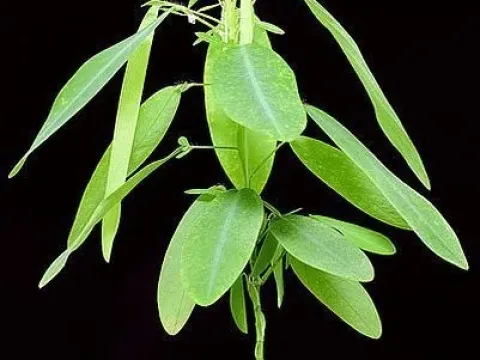
Desmodium cephalotes
Desmodium cephalotes
Desmodium cephalotes is a perennial subshrub belonging to the Fabaceae family. In tropical regions, sowing is typically performed at the onset of the rainy season, when soil moisture is sufficient to support germination.
What the section contains
Desmodium cephalotes
Seed scarification is recommended to improve germination energy, as the seed coat is highly dense. Sowing rates vary by objective: for pasture establishment, rates are generally around 5–8 kg per hectare.
When used as a green manure or cover crop, seeds are sown in rows spaced 30–45 cm apart. This practice facilitates rapid canopy closure, effectively suppressing weed growth during the early vegetative stages.
Seedlings emerge within 10–14 days post-planting. It is crucial to ensure minimal weed competition during the first two months, as the plant develops its root system slowly during this initial phase.
In climates with a distinct dry season, sowing should be timed so that plants are sufficiently established to withstand the onset of critical drought periods.
As a tropical plant, this species has high temperature requirements. The optimal range for active growth is between +22 °C and +30 °C, and the plant is highly sensitive to frost.
Desmodium cephalotes thrives in well-drained loamy or sandy soils. It is notably adaptable to acidic soils with low fertility, making it a valuable candidate for the reclamation of degraded lands.
Light intensity is a critical factor for biomass production. While it exhibits moderate shade tolerance, maximum productivity is achieved in open areas with full solar exposure.
The plant shows moderate drought tolerance once the root system is fully developed. During periods of extreme water deficit, aerial growth may cease temporarily until precipitation occurs.
Successful nitrogen fixation requires the presence of specific nodule bacteria in the soil. In areas where the crop is introduced for the first time, seed inoculation with appropriate rhizobial strains is highly recommended.
Like many legumes, this species is susceptible to various fungal diseases, particularly under high-humidity conditions. Common issues include leaf spot diseases and root rot.
Pests such as weevils and certain lepidopteran larvae may damage the foliage. Regular crop monitoring is essential for the early detection of infestations and the application of biological control measures.
Waterlogged soil conditions significantly increase the risk of Fusarium wilt, which can lead to the wilting and eventual death of mature plants. Adhering to crop rotation cycles helps reduce the spread of soil-borne pathogens.
Competition from invasive weeds poses a hidden threat, as it can substantially reduce the total yield of green biomass. Effective weed control during the seedling stage is paramount.
Disease management strategies include selecting seeds resilient to local climate conditions and maintaining optimal plant density to ensure sufficient air circulation within the stand.