
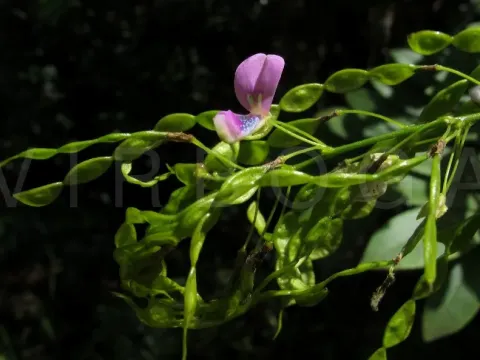
Desmodium discolor
Desmodium discolor
Sowing of Desmodium discolor is primarily carried out in the spring period when the soil has warmed sufficiently to support active seed germination. To ensure uniform emergence, the field must be meticulously prepared and cleared of weeds, which can suppress young plants during the critical first month of vegetation.
What the section contains
Desmodium discolor
The optimal planting depth for seeds is between 1 and 2 centimeters. When using high-quality planting material, seeding rates vary depending on the sowing method, such as row or broadcast seeding, although denser patterns are preferred for producing high-quality hay.
A crucial step is pre-sowing scarification, as physical seed coat dormancy is a biological characteristic of the Desmodium genus. Skipping this procedure can result in critically low germination rates, leading to thin crop stands and a significant reduction in overall land productivity.
In regions with distinct wet seasons, sowing times are synchronized with the start of the rainy period. This ensures that seedlings receive adequate moisture to develop robust root systems before the onset of potential drought or waterlogging conditions.
Under managed cultivation, pre-sowing inoculation of seeds with specific strains of nitrogen-fixing bacteria is highly recommended. This significantly enhances the plant's capacity to fix atmospheric nitrogen, making it an excellent crop for crop rotation systems, benefiting subsequent field crops.
Desmodium discolor belongs to the Fabaceae family and is a valuable perennial plant of tropical and subtropical origin. It thrives in well-drained soils with moderate acidity while avoiding areas prone to water stagnation.
The plant demonstrates high adaptation to light conditions, preferring sunny, open areas. The temperature optimum for active vegetation is between +22°C and +30°C, and the crop is highly sensitive to sub-zero temperatures, sustaining damage from early frosts.
Regarding soil fertility, the crop is relatively undemanding due to its symbiotic relationship with nitrogen-fixing bacteria. However, for maximum biomass production, soils rich in phosphorus and potassium are required to stimulate vegetative growth.
Ensuring protection from strong winds is critical during cultivation, as the plant's slender stems can be damaged under adverse weather conditions. Optimal soil moisture levels should be maintained throughout the growth cycle, despite the plant's existing mechanisms for adapting to short dry periods.
Agrotechnical management includes regular application of mineral fertilizers aimed at maintaining a balance of essential nutrients. Organic fertilizers are primarily applied during soil preparation before initial sowing, establishing a baseline of nutrients for several years of pasture use.
The yield of Desmodium discolor directly depends on the frequency of mowing and the overall standard of agronomic management. Under favorable conditions, the crop is capable of producing significant green mass over several vegetation cycles within a single season.
The nutritional value of the harvested fodder is characterized by high crude protein content and excellent digestibility. The leaf mass constitutes a substantial portion of the total biomass, which enhances the quality of hay or silage produced for livestock consumption.
Factors limiting yield include excessive shading and deficiencies in primary soil nutrients. Timely fertilization after each cutting allows for significantly faster regrowth of the aftermath and extends the productive lifespan of the forage stand.
Using the crop as a pasture requires strict adherence to grazing management. Overgrazing leads to rapid depletion of root reserves and the gradual loss of plants from the stand, thereby decreasing the overall productivity of the grazing unit.
Yield stability largely depends on the crop's capacity for regeneration. With proper management of the stand, multi-year use of the same field is achievable without the need for annual reseeding, offering significant economic benefits to farming operations.
Major diseases of the crop include fungal infections, such as anthracnose and various leaf spots, which develop under conditions of high humidity and poor air circulation. Effective prevention involves maintaining optimal plant spacing to promote ventilation.
Among pests, insects that damage leaves and reproductive organs pose the greatest risk. These include weevils and various caterpillar species, which can drastically reduce the photosynthetic activity of the crop during periods of mass infestation.
Nematode infestation is a specific threat to the root system in warmer climates. Implementing crop rotation and waiting at least 3-4 years before returning the crop to the same plot helps minimize the accumulation of soil-borne pathogens.
For infection prevention, agronomists recommend regular phytosanitary monitoring. Should disease clusters be detected, targeted treatment with authorized fungicides, which comply with environmental safety standards, is applied.
Maintaining the purity of planting material remains a vital element of prevention. Seeds must be certified and free from pathogens that could be transmitted via the soil or the surface of the seed coat during sowing.
Harvesting Desmodium discolor for hay is performed during the budding stage, when nutrient concentration in the green mass reaches its peak. Late harvesting leads to stem lignification and a sharp decrease in the nutritional quality of the forage.
The cut material must be dried under field conditions until moisture content reaches no more than 15–18%. This moisture level is critical to prevent mold development and loss of quality during subsequent storage in bales or rolls.
When used as silage, ensuring proper chopping and compaction of the material is essential. This excludes air contact and facilitates lactic acid fermentation processes, which are necessary for high-quality preservation.
Seed harvesting is conducted when the majority of the pods have turned brown. It is crucial to finish work before pods shatter, as the plant is prone to seed shedding at full maturity, which can lead to significant field losses.
Post-harvest processing involves cleaning seeds of impurities, drying, and storage in dry, well-ventilated facilities. Adhering to these protocols ensures high germination rates when establishing new stands in the following season.