
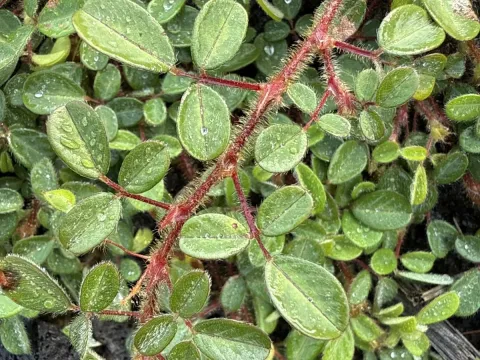
Desmodium heterophyllum
Desmodium heterophyllum
Desmodium heterophyllum is a perennial herbaceous legume belonging to the Fabaceae family. It is widely recognized as an excellent groundcover and forage crop, particularly in tropical and subtropical regions across the globe.
What the section contains
Desmodium heterophyllum
The sowing process begins with the preparation of a fine, firm seedbed to ensure proper seed-to-soil contact. Due to the small size of the seeds, they should be sown shallowly, typically no deeper than 1 centimeter to prevent exhaustion of the seedling's energy reserves.
In many agricultural practices, seeds undergo scarification to break dormancy and ensure uniform germination. Sowing is usually synchronized with the arrival of the wet season, which provides the necessary moisture for the establishment of the plant's root system.
The seeding rate varies depending on whether it is planted as a monoculture or as part of a pasture mixture. A dense planting is often preferred to establish a quick ground cover that effectively suppresses competitive weeds during the early stages of growth.
Once established, the plant spreads through a creeping habit, rooting at the nodes where they contact moist soil. This natural vegetative propagation ensures the longevity of the stand and helps the crop colonize areas effectively.
This legume is highly adaptable to various soil types, provided there is adequate moisture. It thrives in well-drained soils but shows remarkable tolerance to temporary waterlogging, which is a common feature of many tropical environments.
One of the standout characteristics of Desmodium heterophyllum is its high shade tolerance. It can grow vigorously under the canopy of trees, making it an ideal choice for silvopastoral systems and intercropping in fruit or palm plantations.
The species prefers acidic to neutral soil pH. While it does not require extremely fertile soil, it benefits significantly from phosphorus applications, which support root development and nodulation by symbiotic bacteria.
Temperature-wise, it favors warm climates with ranges between 20 and 30 degrees Celsius. It is sensitive to frost and prolonged cold, which limits its primary cultivation area to tropical and warm subtropical zones.
Soil conservation is another key benefit. The dense growth pattern and extensive root system provide excellent ground stabilization, preventing soil erosion on sloped terrains and improving the physical structure of the topsoil.
The primary use of this legume is as a high-quality forage source for livestock. It is highly palatable and provides a significant boost to the protein intake of grazing ruminants, supporting improved weight gain and overall health.
As a forage crop, it is often mixed with tropical grasses to provide a balanced diet. The legume component contributes essential nitrogen to the soil, which in turn enhances the growth and protein content of the associated grasses.
When used for hay production, the plant retains its nutritional value well. Its dense foliage allows for multiple harvests per year, provided that moisture levels are sufficient to allow for rapid regrowth after each cutting.
The crop's ability to fix atmospheric nitrogen is a major agronomic advantage. This process naturally enriches the soil with nitrogen, reducing the need for synthetic fertilizers and contributing to the sustainability of the agricultural system.
In addition to livestock fodder, it serves as an effective cover crop. It protects the soil from direct sunlight, minimizes moisture loss through evaporation, and recycles nutrients, making it a valuable asset for soil health management.
While generally robust, Desmodium heterophyllum can be affected by various leaf spot diseases under conditions of high humidity and poor airflow. Maintaining proper stand density is crucial to reducing the risk of fungal outbreaks.
Insect pests, including various caterpillars and beetles, can cause localized damage to the foliage. Monitoring programs are recommended to detect infestations early and prevent significant biomass loss during critical growth phases.
The crop may also be susceptible to viruses transmitted by sap-sucking insects. Using clean seeds and resistant genotypes are the most effective strategies for managing these phytosanitary risks in commercial cultivation.
Weed management is mainly a concern during the seedling stage. Once the stand is established, the plant's aggressive creeping habit usually allows it to outcompete most weeds, reducing the need for manual or chemical weeding.
Proper grazing management is necessary to avoid overgrazing, which can weaken the root system and make the plants more susceptible to pests and diseases. Rotational grazing is the preferred practice to sustain long-term yield.