
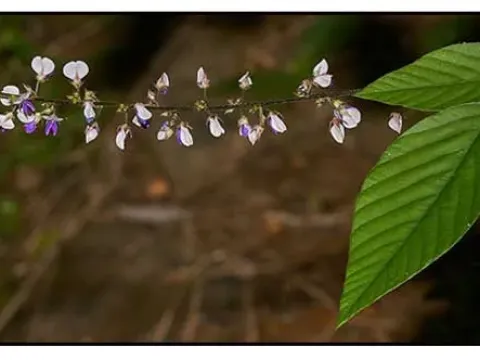
Desmodium laxiflorum
Desmodium laxiflorum
Desmodium laxiflorum is a perennial herbaceous plant belonging to the Fabaceae family. Native to the tropical regions of Asia, it is highly valued for its agricultural versatility and ability to thrive in diverse environmental conditions.
What the section contains
Desmodium laxiflorum
The plant is adapted to warm, humid climates and is commonly found in tropical forests, clearings, and grasslands. It exhibits strong adaptability to various soil types, including acidic and low-fertility soils, making it an excellent candidate for land restoration.
Key biological features include its impressive ability to fix atmospheric nitrogen via symbiotic relationships with rhizobia. This natural process enhances soil nitrogen content, providing a significant benefit to subsequent crops in agricultural systems.
The species shows partial shade tolerance, allowing it to be integrated into agroforestry models, such as planting between orchard rows or alongside shade-tolerant perennial crops.
Cultivation requires careful management of initial weed growth, as the plant grows relatively slowly during its early establishment phase before becoming robust and competitive.
The primary use of Desmodium laxiflorum is as high-quality forage for livestock. Its foliage is nutrient-dense and highly palatable, providing a valuable source of protein for cattle, goats, and sheep.
The crop is highly productive in terms of biomass, offering multiple cuttings throughout the growing season. Its resilience allows it to recover quickly after harvest, ensuring a reliable supply of fresh fodder.
Beyond forage, it serves as an excellent cover crop and green manure. By suppressing weed growth and protecting the soil surface from the impact of heavy rainfall, it significantly reduces erosion rates on sloped terrain.
In addition to its agricultural benefits, some pharmacological studies suggest the presence of bioactive compounds in the plant, highlighting potential niche uses in herbal medicine and natural product research.
Farmers can maximize yields by ensuring appropriate planting density and maintaining adequate soil moisture levels during the peak growth months of the monsoon season.
Like many tropical legumes, this species is susceptible to various fungal pathogens. Leaf spot diseases are particularly common during prolonged periods of high humidity and poor air circulation.
Pest pressure from various beetles, caterpillars, and aphids can affect young plants. Regular field scouting is essential to identify infestations early and prevent economic damage to the crop.
Cultural control methods, such as proper spacing and rotation, are recommended to maintain plant health. Avoiding waterlogged fields is crucial, as excess moisture facilitates root rot and fungal proliferation.
Biological pest control agents are often effective for managing insect populations without compromising the quality of the fodder, which is particularly important for integrated farming systems.
Maintaining soil pH levels and monitoring for nutrient deficiencies helps ensure that the crop remains vigorous and less susceptible to opportunistic diseases and pest attacks.