
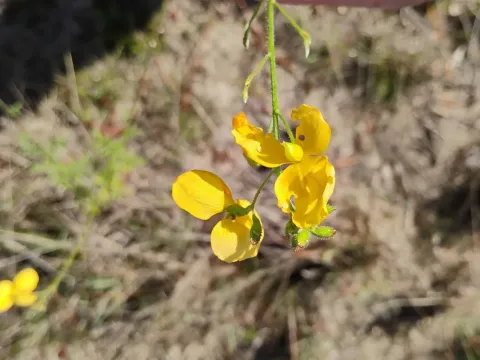
Chapmannia
Chapmannia
Chapmannia is a genus of perennial plants within the Fabaceae (legume) family. Originating primarily from the African continent, these plants are well-adapted to savanna environments and open grasslands where they play a functional role in the local ecosystem.
What the section contains
Chapmannia
The cultivation of Chapmannia requires well-drained, sandy-loam soils that allow for deep root penetration. The species is highly drought-tolerant once established, but it thrives best in conditions with a distinct wet season that supports initial biomass accumulation.
Regarding climate, the plant requires high solar radiation and stable temperatures. It is not cold-hardy, meaning that its successful growth is strictly limited to tropical and subtropical climate zones where frost is not a limiting factor for development.
Agronomic management involves careful weed control during the seedling stage. Once the root system is well-developed, the plant becomes quite resilient. Soil preparation should focus on ensuring adequate aeration to prevent the stagnation of water, which is detrimental to the plant's health.
Economically, the genus is studied for its potential in sustainable forage production and soil nitrogen enrichment. Being a legume, it acts as a biological fertilizer, assisting in the long-term maintenance of soil fertility in agricultural plots located in warm climates.
Common threats to Chapmannia include fungal infections, particularly root rot, which typically occur in poorly drained soils or during periods of excessive rainfall. Leaf spot diseases are also documented in environments with high humidity levels.
Insect pests such as leaf miners and various aphids represent a challenge to leaf health. Sustainable pest management practices, including the maintenance of natural predator populations, are recommended to minimize potential damage to the crops during the peak growing season.