
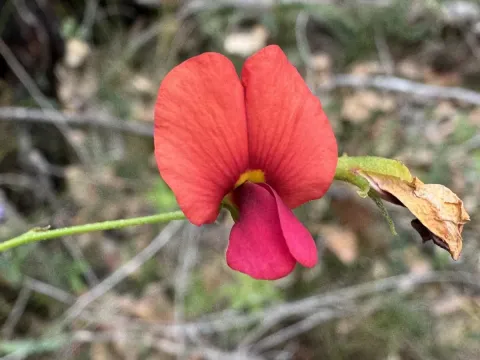
Chorizema
Chorizema
Propagation of Chorizema is typically done via seeds, which should be sown in late winter or early spring. Use a well-draining, peat-based soil mix to ensure successful germination and early development.
What the section contains


Chorizema
Seeds benefit from light scarification or pre-soaking in lukewarm water. Keep the seed trays at a temperature of around 18-20 degrees Celsius, covering them with glass or plastic to maintain high humidity levels.
Once the seedlings develop two or three sets of true leaves, they should be transplanted into individual pots. Use caution during this phase as the root systems of young Chorizema are quite sensitive.
For gardeners looking for faster results, stem cuttings can be taken from semi-ripe wood during the summer. Using a rooting hormone will significantly increase the success rate of the propagation process.
Young plants should be pruned regularly to encourage bushiness. This mechanical intervention is essential to prevent the plant from becoming leggy and to ensure a more aesthetic structure for later flowering.
Chorizema belongs to the Fabaceae family and is native to Australia. It is a stunning evergreen shrub known for its vibrant, pea-like flowers that appear in long, attractive racemes.
The plant thrives in bright, indirect light. Direct sunlight can scorch the foliage, so positioning in a greenhouse with a light shade or near a bright window is highly recommended for best results.
Soil requirements for this culture include a slightly acidic pH. It is crucial to avoid alkaline soils, as they inhibit nutrient uptake, leading to chlorosis and stunted growth of the plant.
Temperature management is key to successful flowering. During the active growth phase, keep the plant in moderate temperatures. A cooler winter dormancy period is vital for proper bud development.
- Maintain consistent soil moisture without waterlogging.
- Ensure high air humidity in the growing environment.
- Provide excellent drainage in every container used.
- Apply low-nitrogen fertilizers sparingly during the active phase.
Common pests include spider mites and mealybugs, which are particularly troublesome in low-humidity greenhouse conditions. These pests can rapidly weaken the plant by sucking sap from the leaves.
Fungal diseases like grey mould may occur if ventilation is inadequate. Poor air circulation combined with high humidity creates the perfect breeding ground for various pathogens to attack the plant.
Root rot is a frequent issue caused by overwatering. If the substrate remains too wet, the roots fail to breathe, eventually dying off and leading to the overall collapse of the ornamental shrub.
Integrated pest management involves regular inspections and the use of insecticidal soaps. Early detection of colonies is the most effective way to prevent widespread infestation on the foliage.
Proper hygiene, such as removing dead leaves and keeping the area clean, reduces the pressure of disease. A well-ventilated space is essential to keep the plant robust and resistant to threats.