
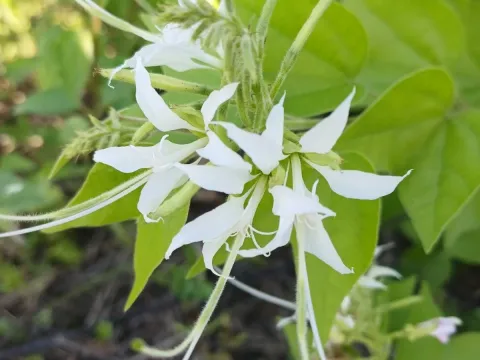
Bauhinia divaricata
Bauhinia divaricata
Propagation of Bauhinia divaricata is typically performed using seeds during the spring season. Scarification of the seed coat is highly recommended to improve the germination rate.
What the section contains
Bauhinia divaricata
The seeds should be sown in a well-draining, sterile substrate at a depth of approximately 1.5 centimeters. Maintaining consistent soil moisture is crucial during the initial stages.
Germination usually occurs within three to four weeks when ambient temperatures are kept between 22 and 26 degrees Celsius. Providing a heat mat can significantly enhance success rates.
For vegetative propagation, semi-hardwood cuttings are taken in late spring. These cuttings are treated with rooting hormones and placed in a high-humidity environment.
Young plants should be transitioned to larger pots gradually, ensuring that the root system is well-established before exposing them to full outdoor environmental conditions.
Bauhinia divaricata is a member of the Fabaceae family, native to tropical environments. It requires significant warmth and thrives in climates where temperatures remain consistently above freezing.
The plant prefers full sun exposure to maintain its compact growth habit and maximize floral production. In very hot climates, light afternoon shade may be beneficial to prevent leaf scorch.
Soil requirements focus on excellent aeration and drainage. While the species is somewhat tolerant of different soil types, a slightly acidic to neutral medium works best for optimal nutrient uptake.
Water management is vital; the plant prefers a deep soak followed by a drying period. Consistent overwatering is the most common cause of failure in containerized crops.
Regular pruning is required to shape the canopy and remove dead or crossing branches. This practice encourages denser growth and promotes a more uniform and attractive shape.
Spider mites are the most prevalent pest, particularly in controlled environments with low humidity. Regular misting and proper airflow are the primary defense strategies.
Aphids may infest the succulent new growth during the spring flush. Infestations are managed using horticultural soaps or targeted systemic insecticides to ensure plant health.
Root rot is a major threat caused by pathogens in the soil under conditions of poor drainage or excessive irrigation. Improving the drainage medium is the best preventative measure.
Leaf spot diseases may appear during periods of high humidity and poor ventilation. Keeping the foliage dry during irrigation helps in reducing the incidence of fungal outbreaks.
Scale insects can occasionally affect stems, appearing as small bumps. These should be removed manually or treated with oil-based sprays to prevent damage to the plant's vascular system.