
Bauhinia macrantha
Bauhinia macrantha
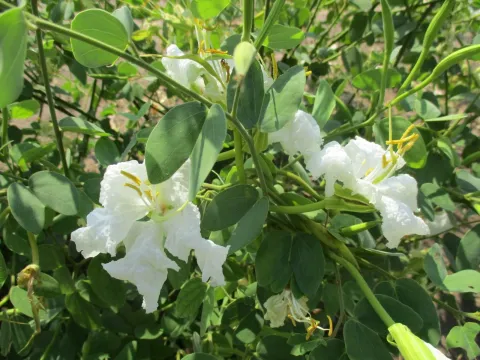
Bauhinia macrantha is a distinctive member of the Fabaceae (legume) family, widely recognized for its characteristic bilobed leaves that resemble a camel's hoof. This species is native to tropical environments and is highly valued for its striking visual appeal in botanical gardens.
What the section contains
Bauhinia macrantha
The plant thrives in full sun exposure and requires an environment that mimics its natural tropical habitat. It is highly sensitive to frost, making it suitable for cultivation primarily in tropical and subtropical regions where temperatures remain consistently warm throughout the year.
Regarding soil, Bauhinia macrantha prefers well-drained, fertile soils with a slightly acidic to neutral pH. Proper soil structure is essential to prevent water stagnation, as the root system is highly susceptible to rot when kept in consistently saturated conditions.
Maintenance involves regular watering during the establishment phase and periods of active growth. Once mature, the tree exhibits moderate drought tolerance, although maintaining regular soil moisture is recommended to ensure optimal flowering performance and lush foliage development.
The primary use of Bauhinia macrantha is within the landscape architecture sector. Due to its large and ornamental flowers, it is frequently utilized as a specimen tree in parks, public squares, and large private estates, where it serves as a central focal point during the blooming season.
Common pests affecting this species include spider mites, aphids, and mealybugs, which tend to infest leaves and young stems. Integrated pest management, including regular inspection and the use of targeted biological or chemical control, is recommended for managing these populations.
Pathogenic fungi, such as those causing root rot or leaf spots, can compromise the health of the tree if humidity levels are too high or drainage is inadequate. Maintaining proper spacing between trees and avoiding overhead irrigation can significantly reduce the incidence of these diseases.