
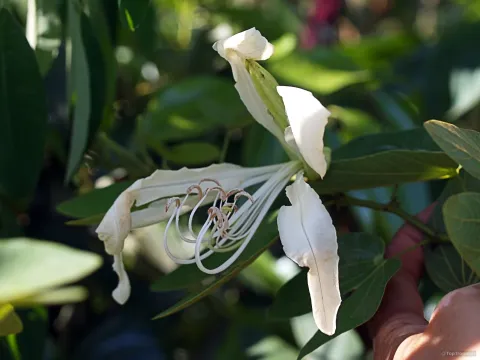
Bauhinia candicans
Bauhinia candicans
Bauhinia candicans is typically propagated via seeds, which require specific preparation before planting to ensure uniform germination. It is advisable to sow seeds in a controlled greenhouse environment during late winter or early spring.
What the section contains
Bauhinia candicans
Before sowing, the seeds must undergo scarification to break the hard outer seed coat. Soaking them in warm water for approximately 24 hours significantly improves the absorption of moisture and triggers the embryonic growth.
The optimal planting depth is about 1 to 1.5 centimeters in a well-draining, sterile substrate. Maintaining a constant soil temperature between +22 and +25 degrees Celsius is essential for successful seedling emergence.
Seedlings usually emerge within two to four weeks. Once the first true leaves are fully developed, the young plants should be carefully transplanted into individual pots with high-quality potting mix.
Acclimatization to outdoor conditions should be handled gradually, ensuring the plants are protected from cold winds and direct frost until they are well-established and mature.
As a member of the Fabaceae family, Bauhinia candicans thrives in sunny, well-lit locations. It prefers fertile, well-draining soils with a neutral or slightly acidic pH level, which encourages healthy root development.
Watering requirements are moderate; the soil should be kept consistently moist during the active growing season but never waterlogged. Proper drainage is crucial to prevent root rot and other moisture-related pathologies.
The climate requirements for this species include warmth and humidity, as it is highly sensitive to freezing temperatures. In cooler climates, it is best grown in containers that can be moved indoors during winter months.
Regular pruning is necessary to maintain an aesthetic shape and encourage dense branching. Removing diseased or crossed branches helps improve air circulation within the canopy, preventing fungal infections.
Nutrient supplementation with balanced fertilizers during the growing phase promotes vigorous growth and abundant flowering. Micronutrients, especially iron, are vital for maintaining the deep green color of the foliage.
Common pests affecting Bauhinia candicans include spider mites and scale insects, which can proliferate in dry indoor environments. Frequent inspection of the foliage and timely use of insecticidal soap can manage these threats.
Fungal issues, such as root rot and leaf spot, are often associated with poor drainage or excessive humidity. Ensuring adequate airflow and avoiding overhead irrigation can significantly mitigate the risk of these diseases.
Chlorosis is a common physiological condition caused by a nutrient deficiency or high soil alkalinity. Adjusting the pH level and using chelated fertilizers are effective solutions to restore the plant's natural vigor.
Powdery mildew can occur during periods of high humidity and poor ventilation. Preventive fungicide applications are recommended if the local climate conditions become conducive to fungal spores spreading.
Mechanical damage to the bark should be treated immediately with antiseptic pastes to prevent secondary infections. Careful handling during maintenance and transplantation is vital for the long-term health of the plant.